Neighbourhoods
Istanbul, beyond the expected
Discover the architectural details, neighbourhood rituals, waterfront escapes and contemporary culture that give Istanbul its distinctive character.
New in the journalIstanbul, beyond the expected
Two continents, one long conversation with the water.
TürkiyePhoto: Arild Vågen, CC BY-SA 3.0
Istanbul rewards the traveller who stops trying to see all of it. The city spreads across two continents and some sixteen million people, but it is lived at the scale of a neighbourhood: a tea garden, a ferry pier, a bakery that opens before the call to prayer.
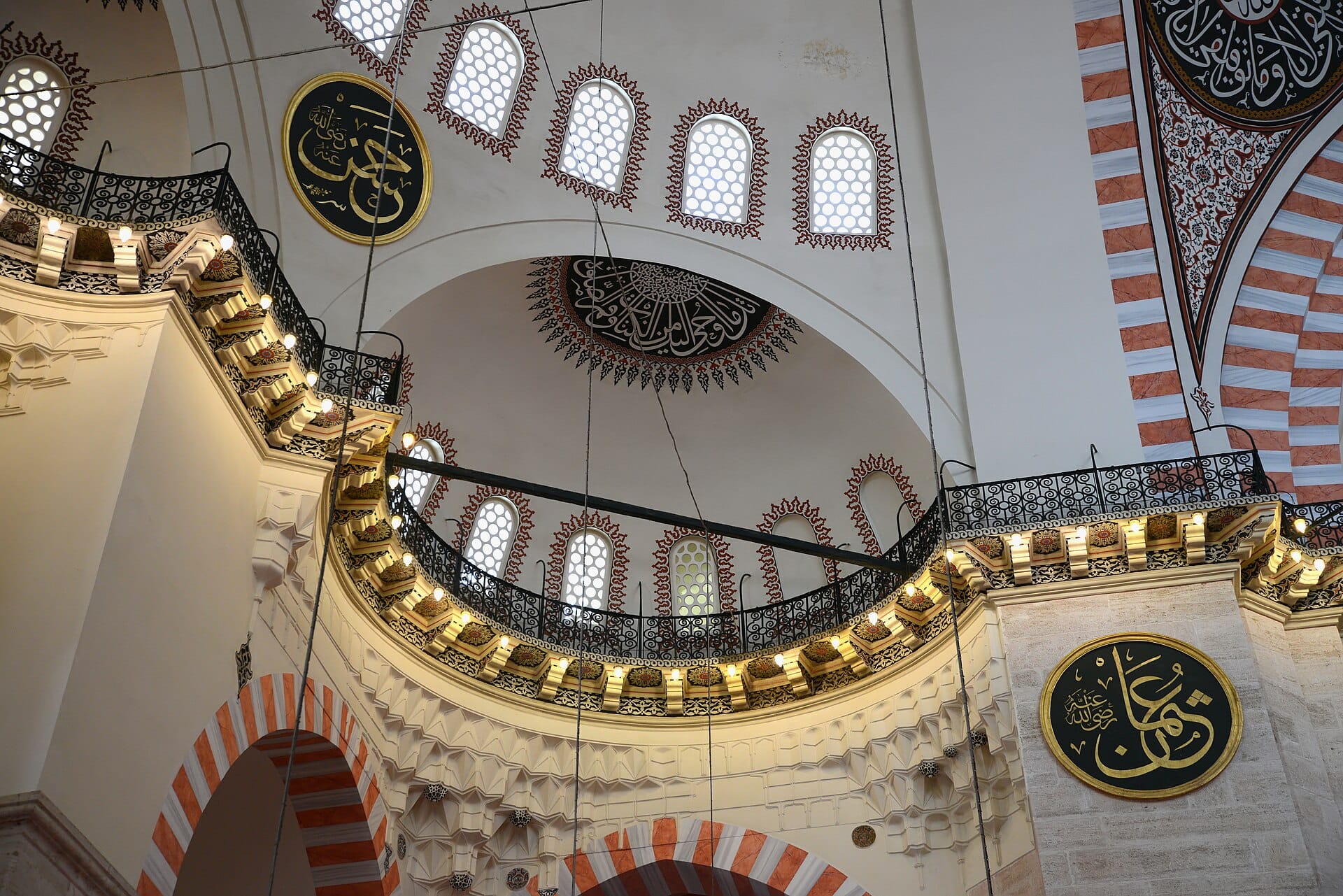
The Historic Peninsula holds the monuments most visitors come for, from Hagia Sophia to the Süleymaniye. Across the Golden Horn, Karaköy and Galata mix banking-era architecture with galleries and coffee bars, and Beyoğlu climbs from there towards Taksim. North along the Bosphorus, the old waterside villages keep a slower pace, and on the Asian shore Kadıköy and Moda are where much of the city actually spends its evenings.
Our coverage favours depth over checklists: how a district works, what to look at closely, and where a quiet hour is still possible.
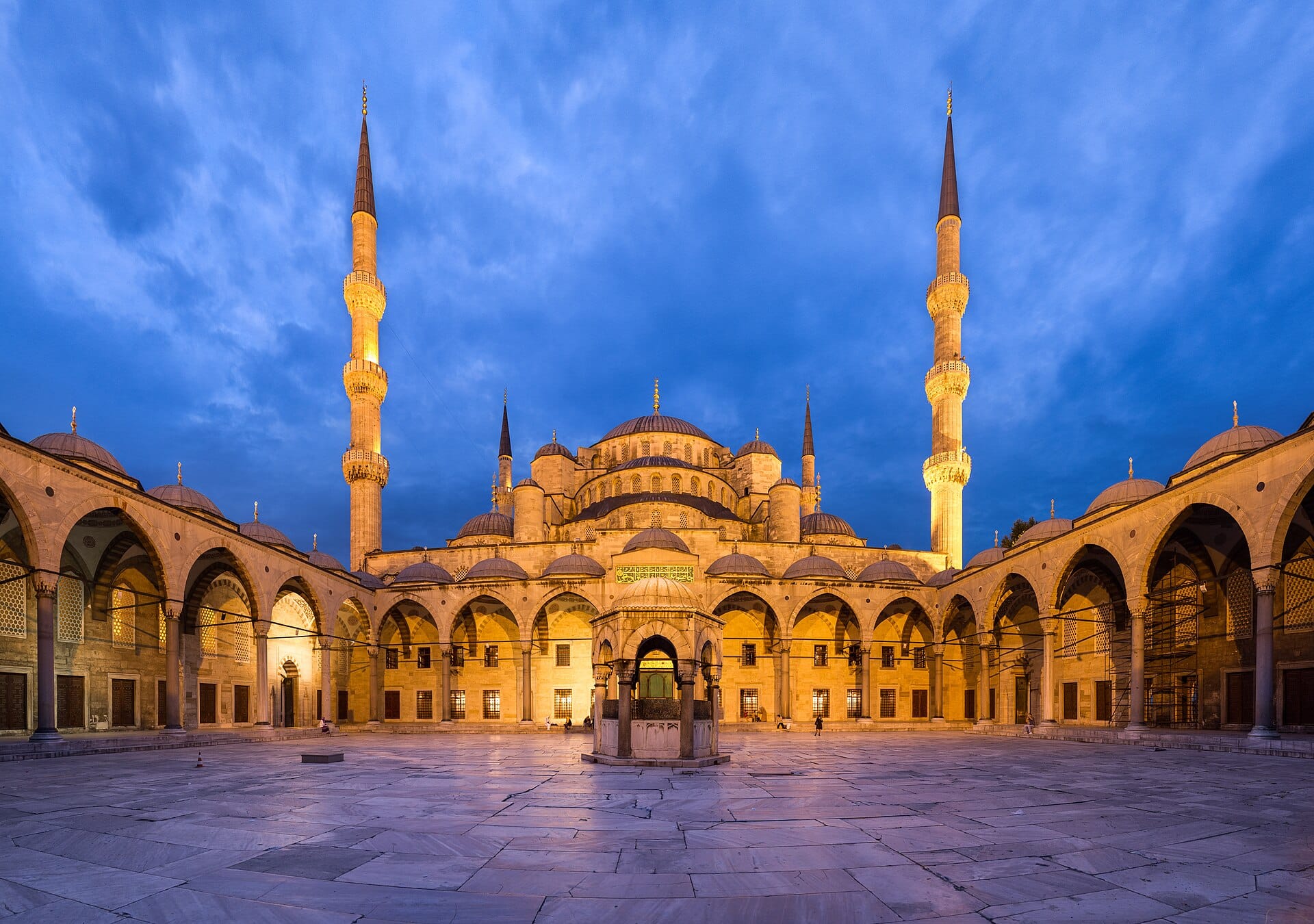
Sultanahmet, Eminönü and the bazaar quarter. The great Byzantine and Ottoman monuments, best seen early in the morning or late in the afternoon.
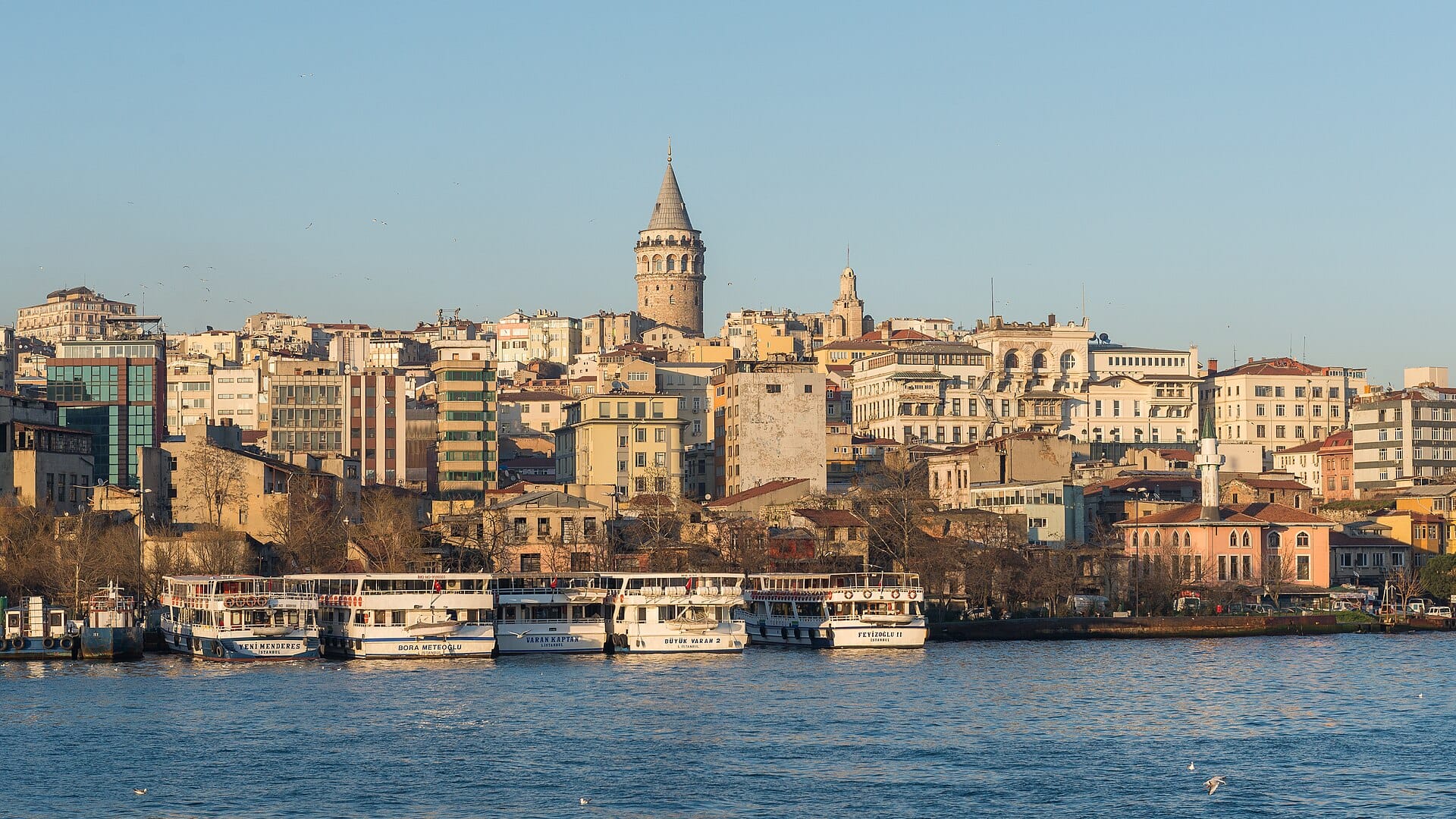
The old port and banking district below Galata Tower, now one of the city's liveliest quarters for design, coffee and contemporary art.
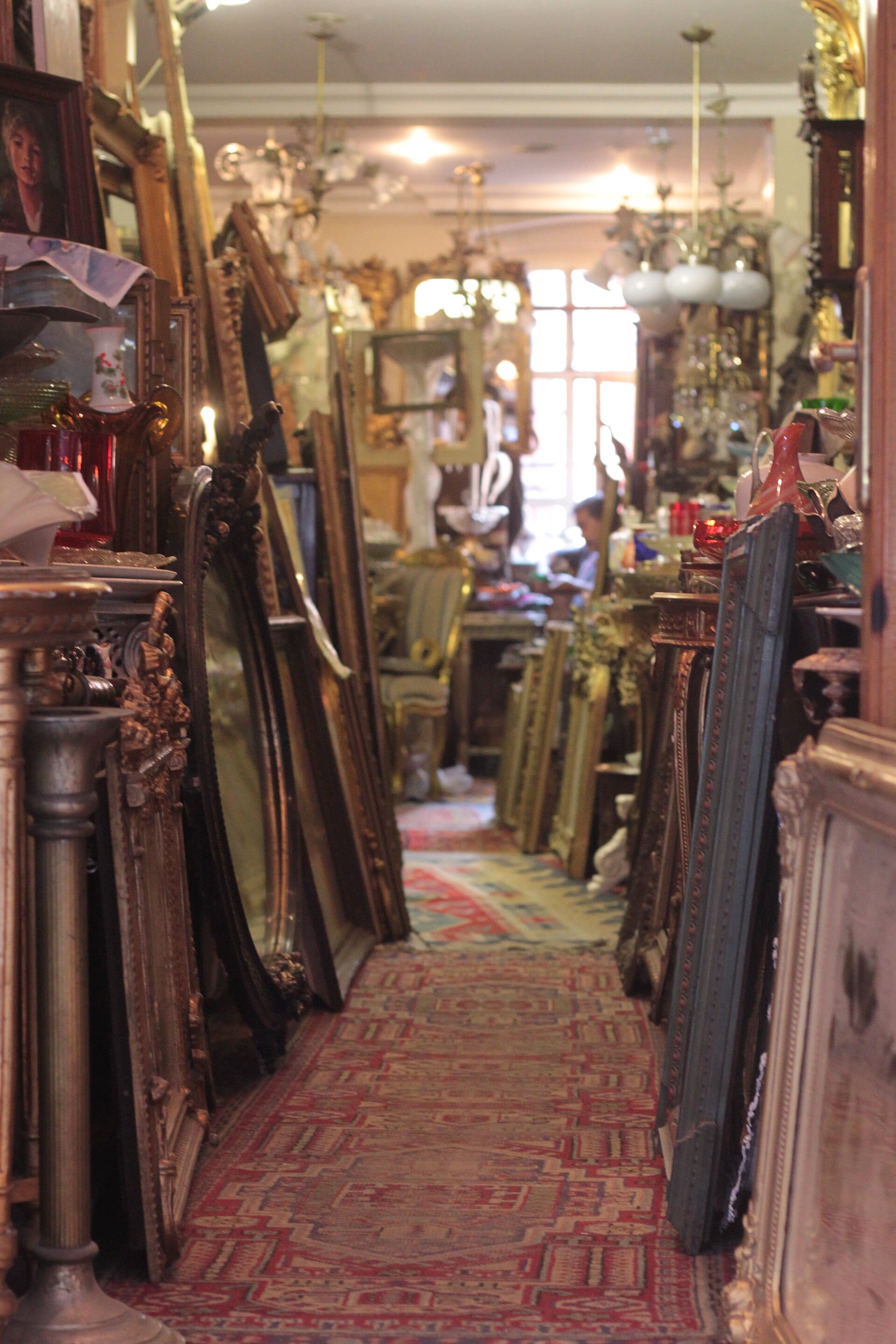
Nineteenth-century apartment blocks, antique shops in Çukurcuma and the steep, leafy streets of Cihangir above the Bosphorus.
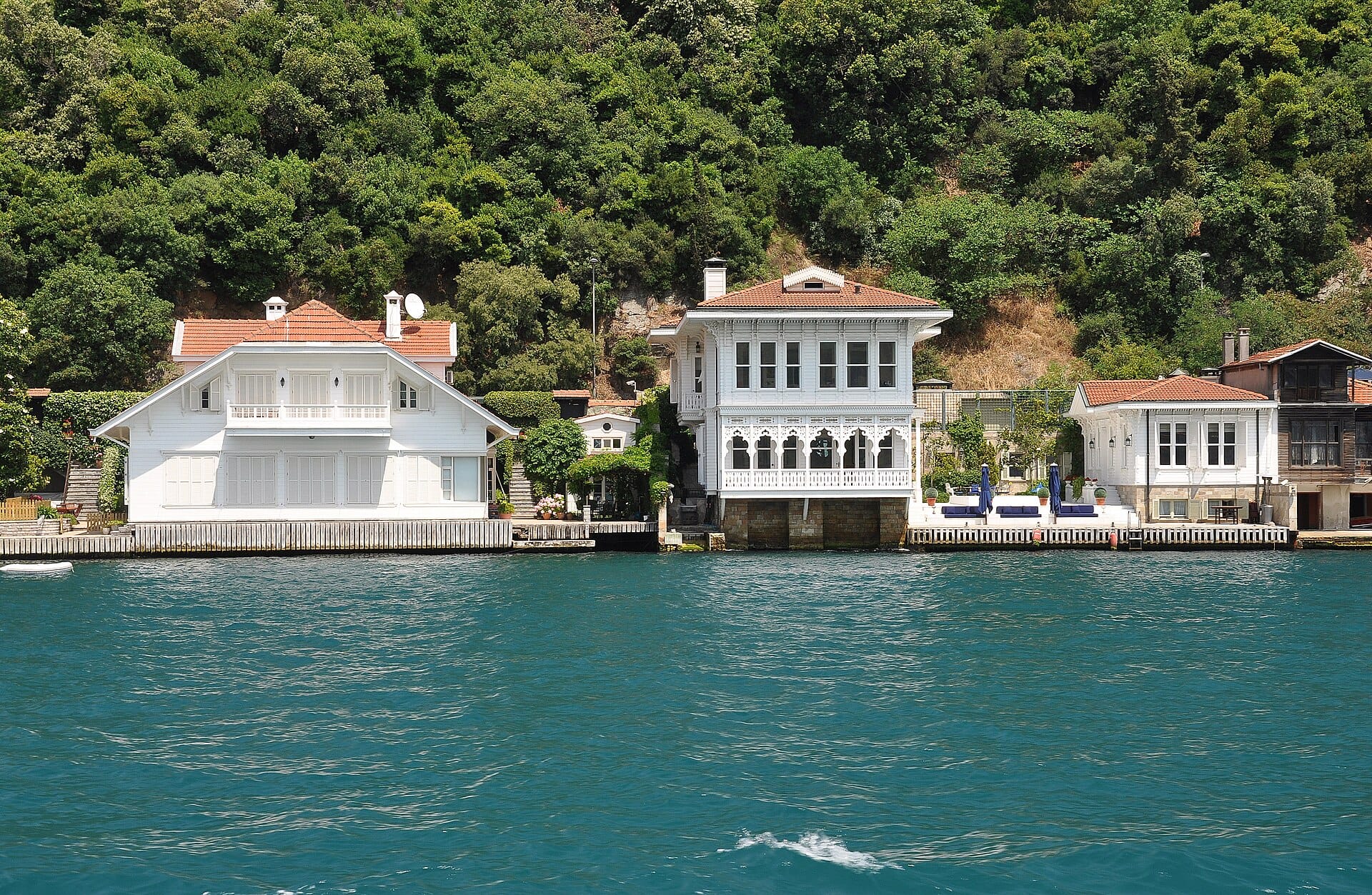
Arnavutköy, Bebek, Kanlıca and Anadolu Kavağı: wooden yalı mansions, fish restaurants and ferries that turn a commute into an excursion.
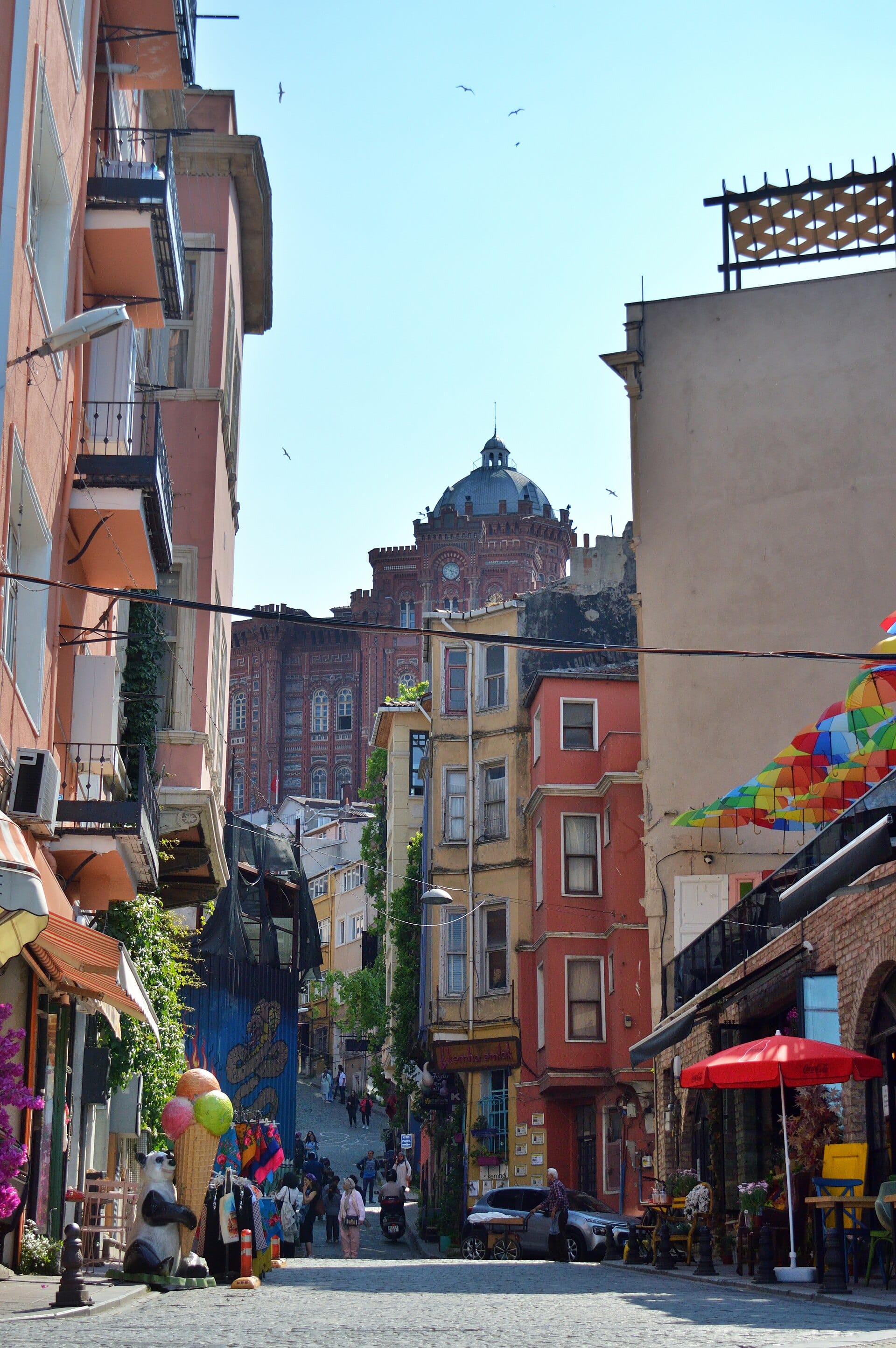
Steep streets of painted townhouses on the Golden Horn, with Greek, Jewish and Armenian heritage layered into the architecture.
Neighbourhoods
Discover the architectural details, neighbourhood rituals, waterfront escapes and contemporary culture that give Istanbul its distinctive character.
Neighbourhoods
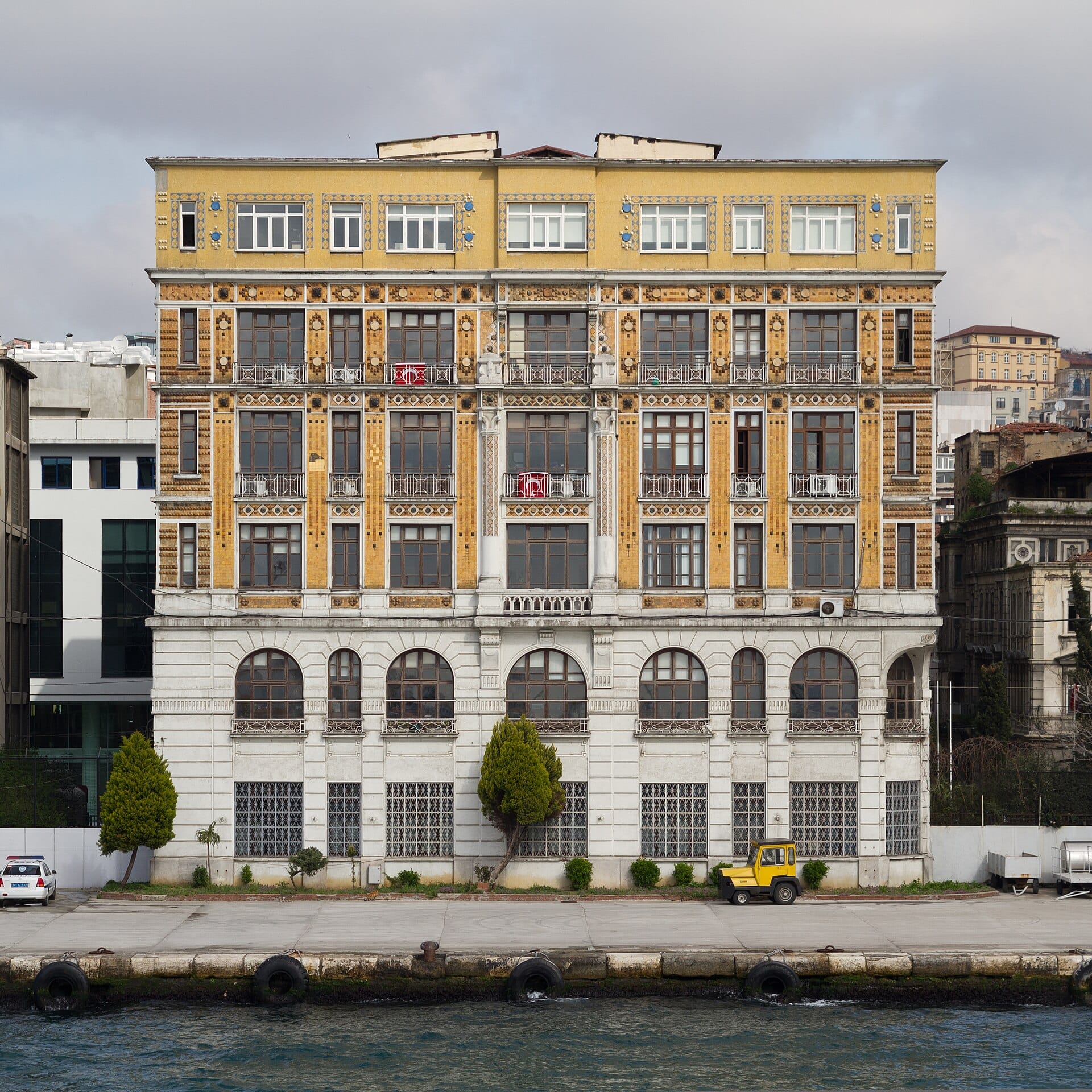
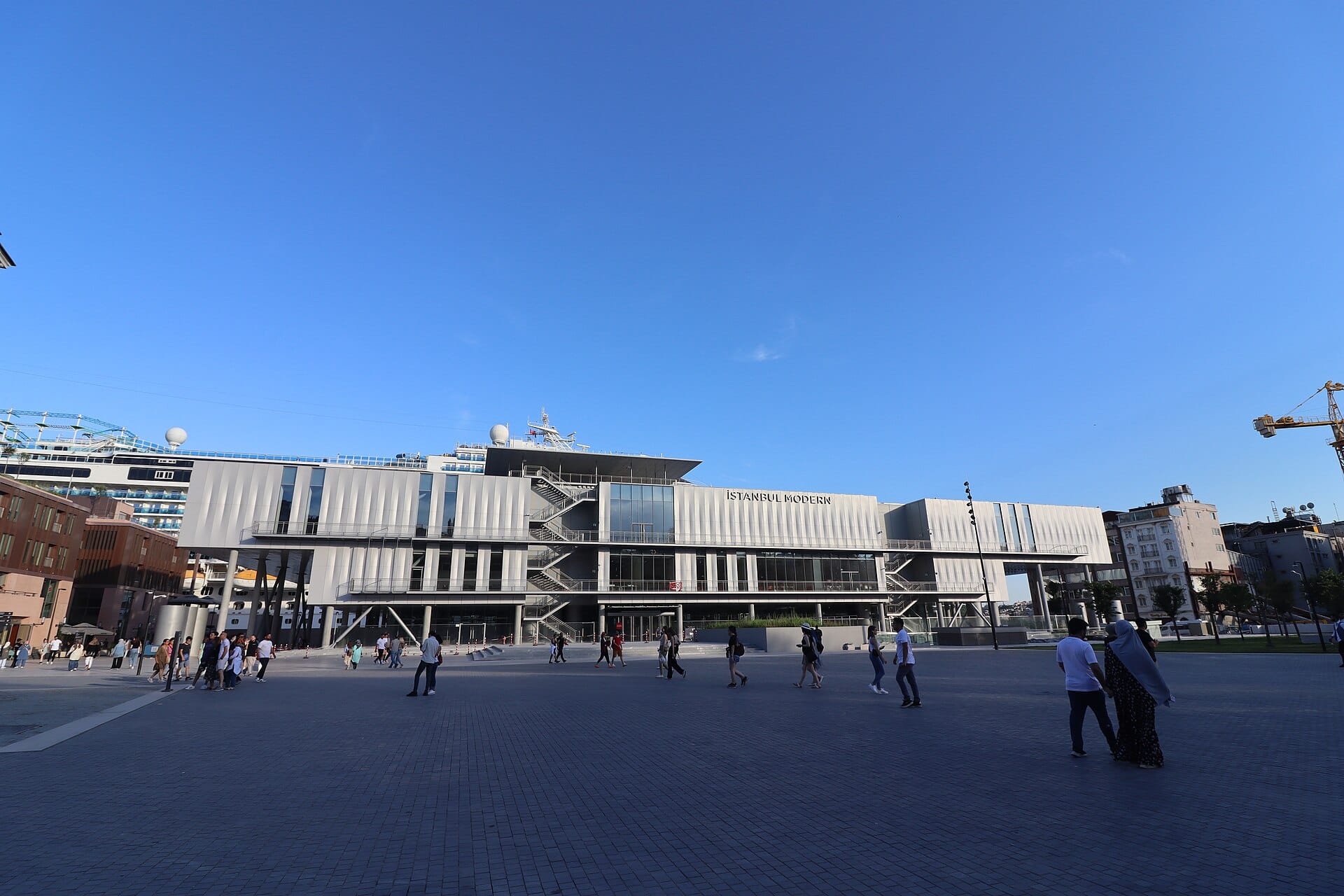
Banking-era facades, a curving stairway, a modern museum on the water: how Istanbul's old port district became its most design-minded quarter.
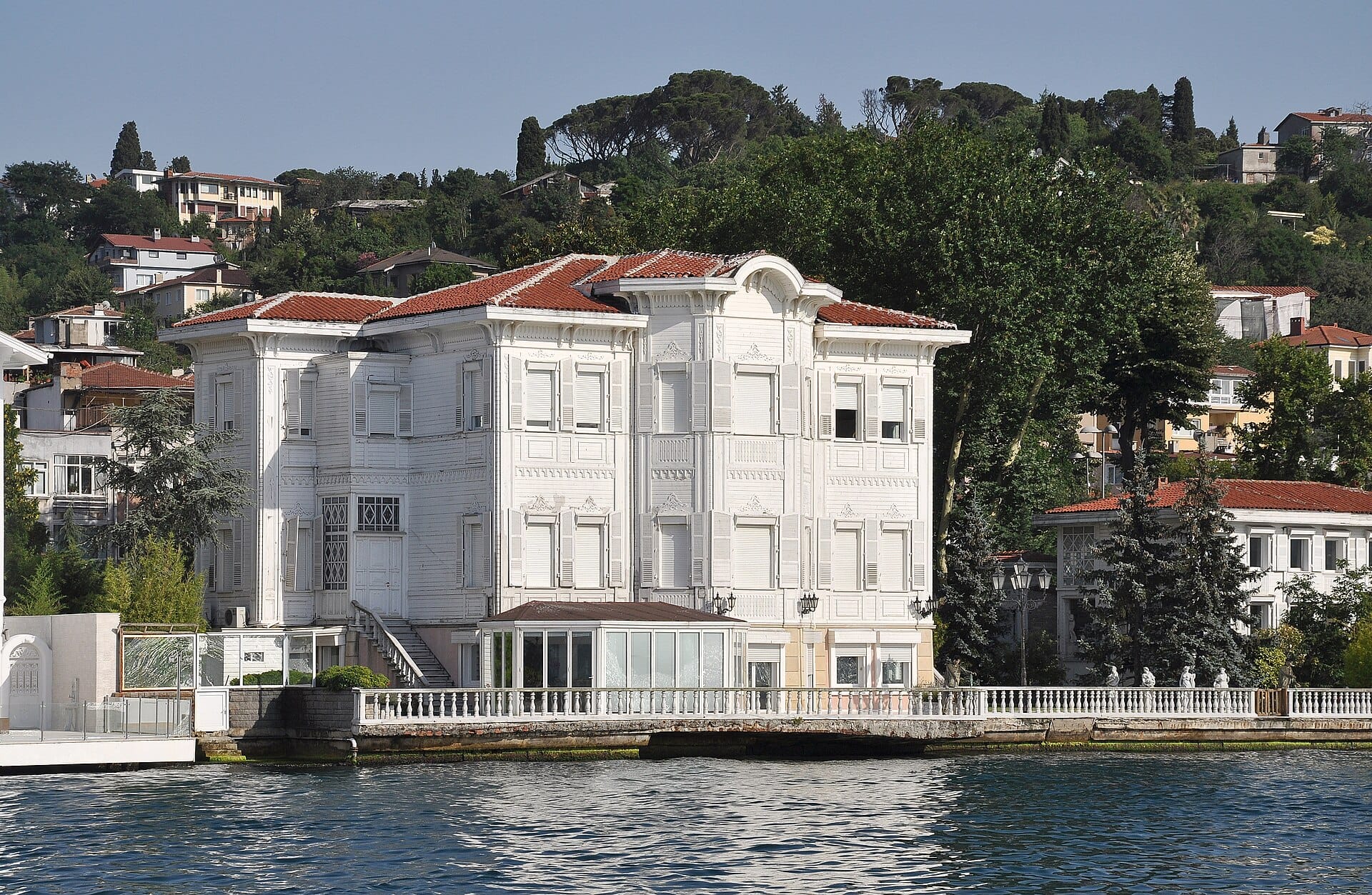
Stays
The neighbourhood you choose shapes your Istanbul more than the hotel does. Here is how the main districts compare, and who each one suits.
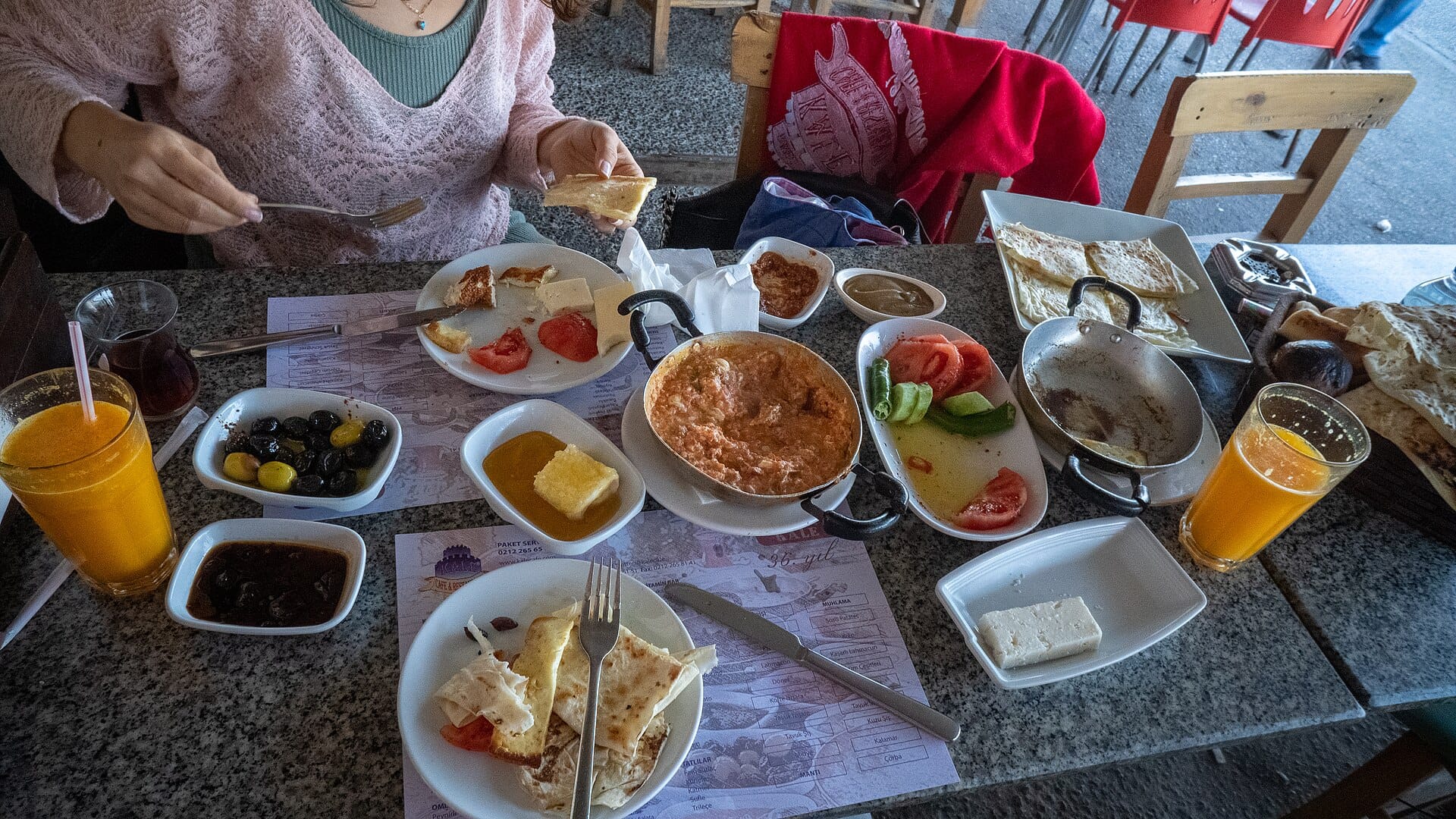
Food & drink
Kahvaltı is less a meal than an occasion: a table of small plates, endless tea and no particular hurry. Here is what to expect, and how to enjoy it.
Architecture
Fifteen centuries in a few square miles: a walk through the buildings that explain Istanbul, from Justinian's dome to Renzo Piano's museum.
The yalı, a timber mansion built at the water's edge, is the Bosphorus's signature building. A handful have become small hotels, and the villages around them offer the city's calmest mornings.
What to look for
Karaköy's banking-era buildings, with their high ceilings and stone stairwells, have been turned into some of the city's most considered small hotels. Galleries, ferries and the Historic Peninsula are all within walking distance.
What to look for