A design lover's guide to Karaköy
Banking-era facades, a curving stairway, a modern museum on the water: how Istanbul's old port district became its most design-minded quarter.
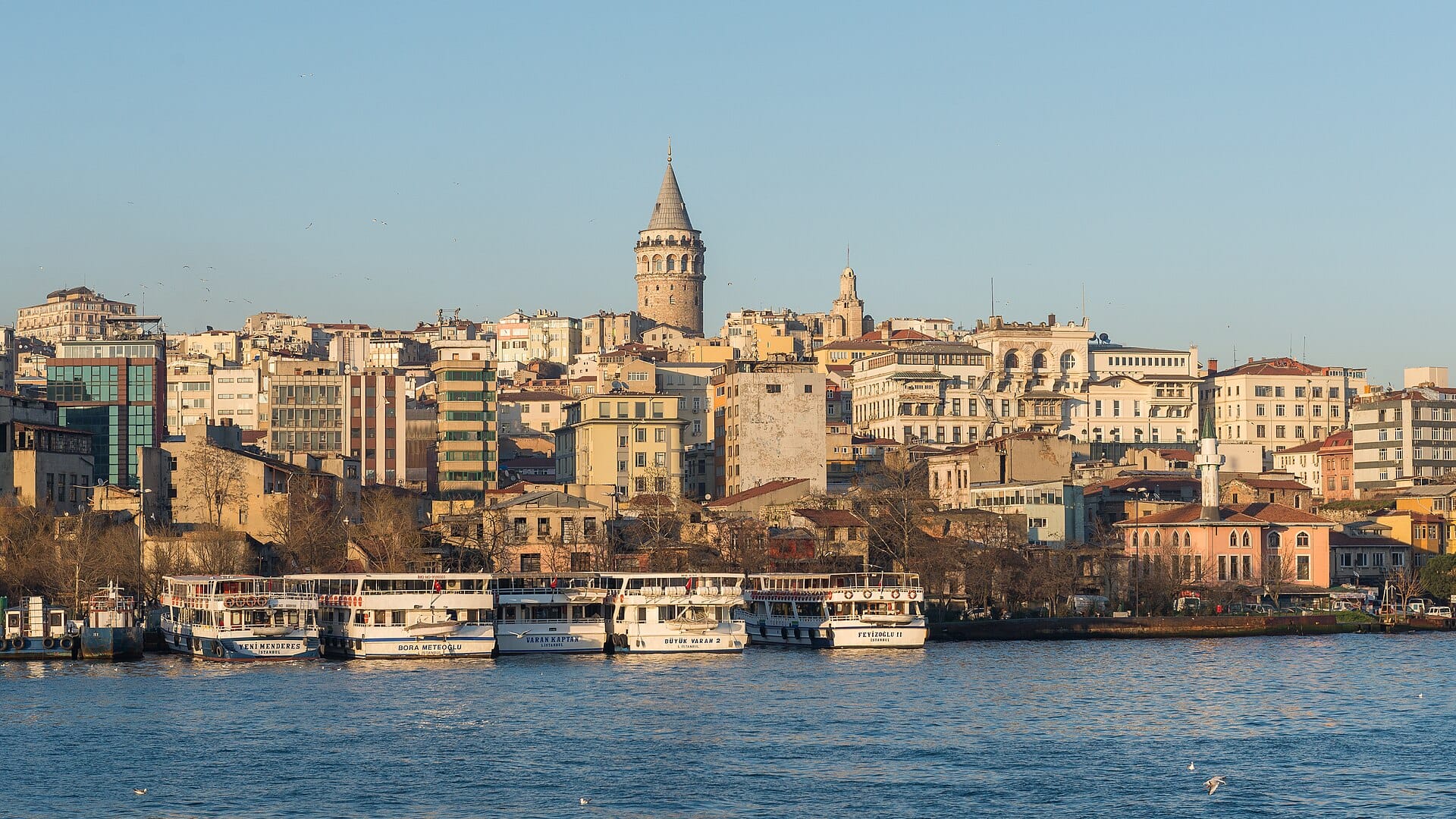
Karaköy sits at the mouth of the Golden Horn, directly below Galata Tower. For centuries it was the city's commercial waterfront: a port, a customs district and, by the late Ottoman period, a street of banks and trading houses.
Today the same buildings hold galleries, coffee roasters, restaurants and small hotels. It is a neighbourhood best explored slowly, with your eyes on the facades.
The old banking street
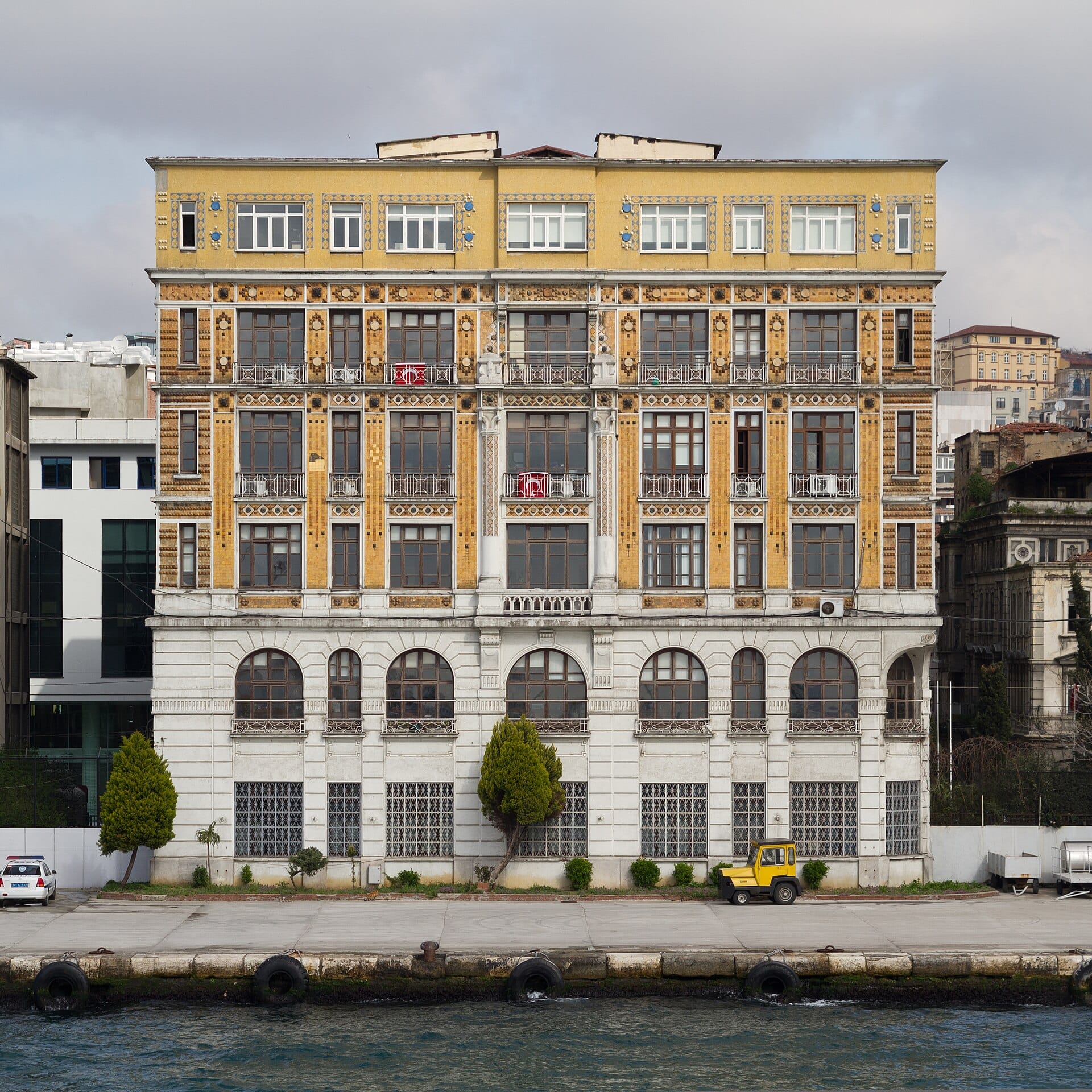
Start on Bankalar Caddesi, officially Voyvoda Caddesi, the street of banks. Its imposing stone buildings were designed to project stability, and they still do. The former Ottoman Bank headquarters, by the architect Alexandre Vallaury, now houses Salt Galata, with exhibitions, a research library and a café inside the restored banking hall.
Just off the street, the Kamondo Stairs curve uphill towards Galata in a double S. The stairs are attributed to the Camondo banking family, whose name they carry, and they remain one of the most photographed small structures in the city.
On the waterfront
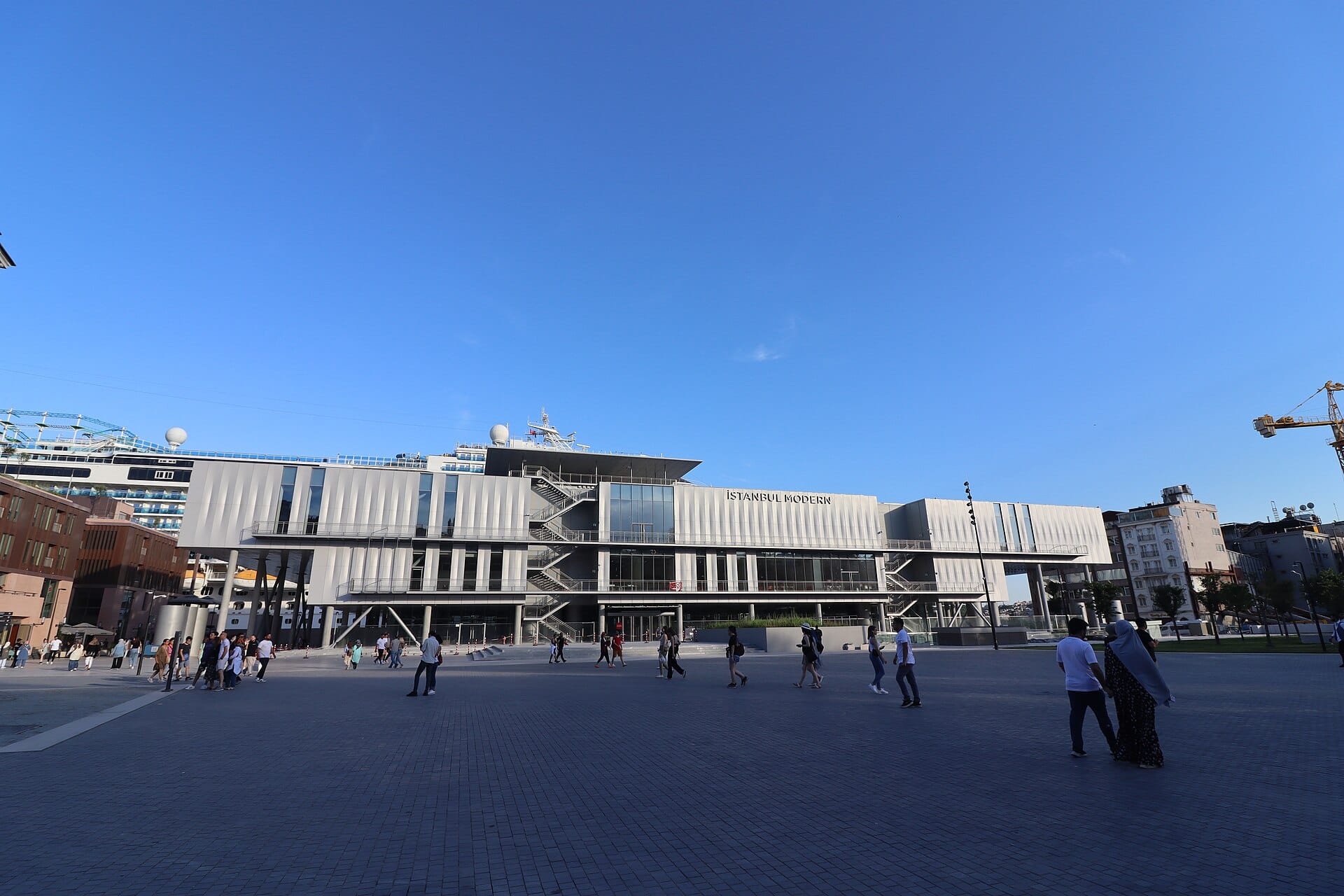
The Karaköy shoreline has changed more than any other part of the district. The Galataport development turned the cruise terminal and old port warehouses into a long public promenade with shops and restaurants, and Istanbul Modern now occupies a new building on the water.
Between them, the ferry pier is still a working piece of the city. Boats leave for Kadıköy and Haydarpaşa on the Asian side, a short and beautiful crossing.
A Sinan mosque among the cafés
Among the coffee bars stands the Kılıç Ali Paşa Mosque, a late work by Mimar Sinan built for an Ottoman admiral. The adjoining hamam has been carefully restored and is open to visitors, and the complex is a reminder that Karaköy's history goes back long before its banking years.
Uphill to Çukurcuma
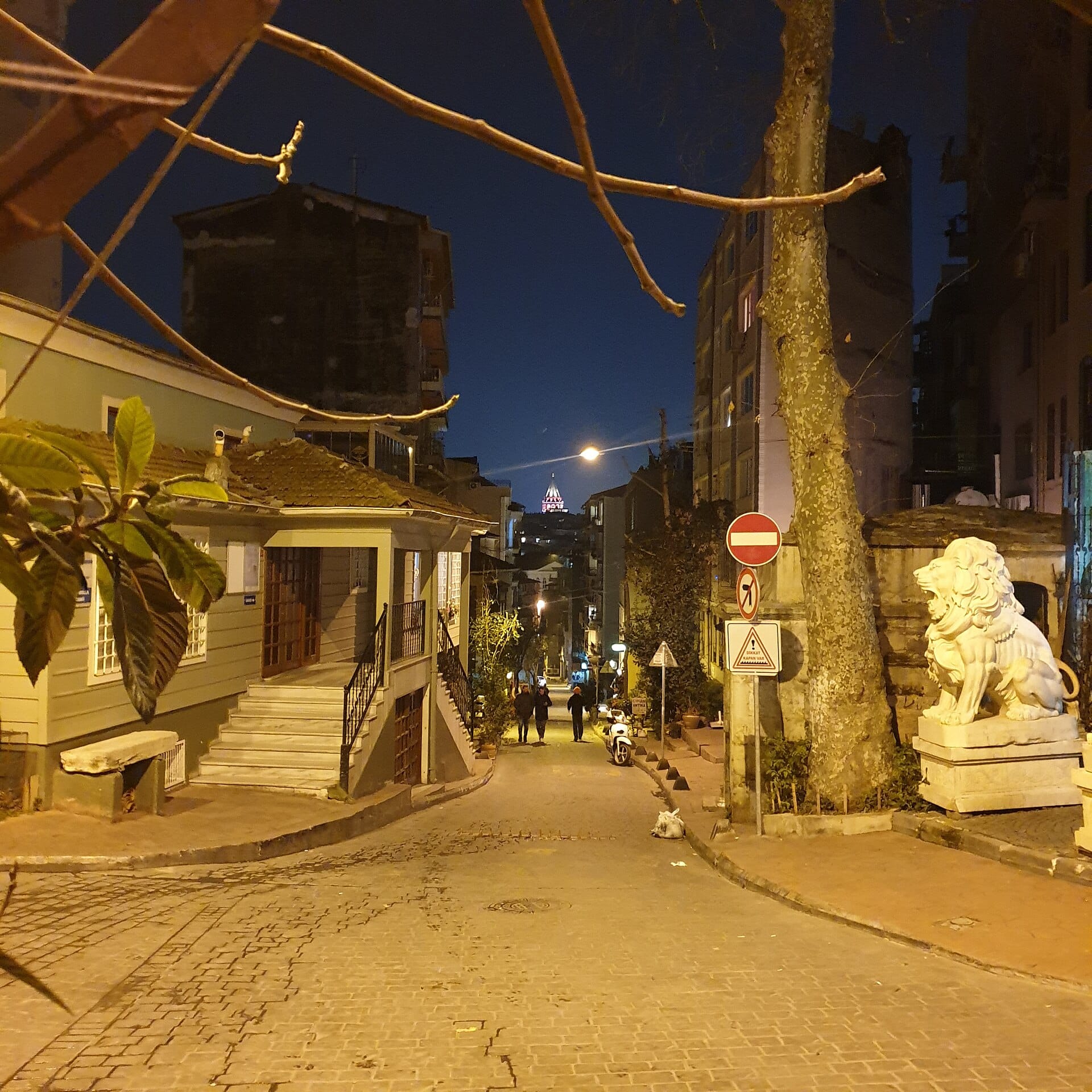
Climb the streets behind Karaköy towards Galata and on to Çukurcuma, a small district known for antique dealers and restorers. Shops here sell everything from Ottoman-era textiles to mid-century lighting.
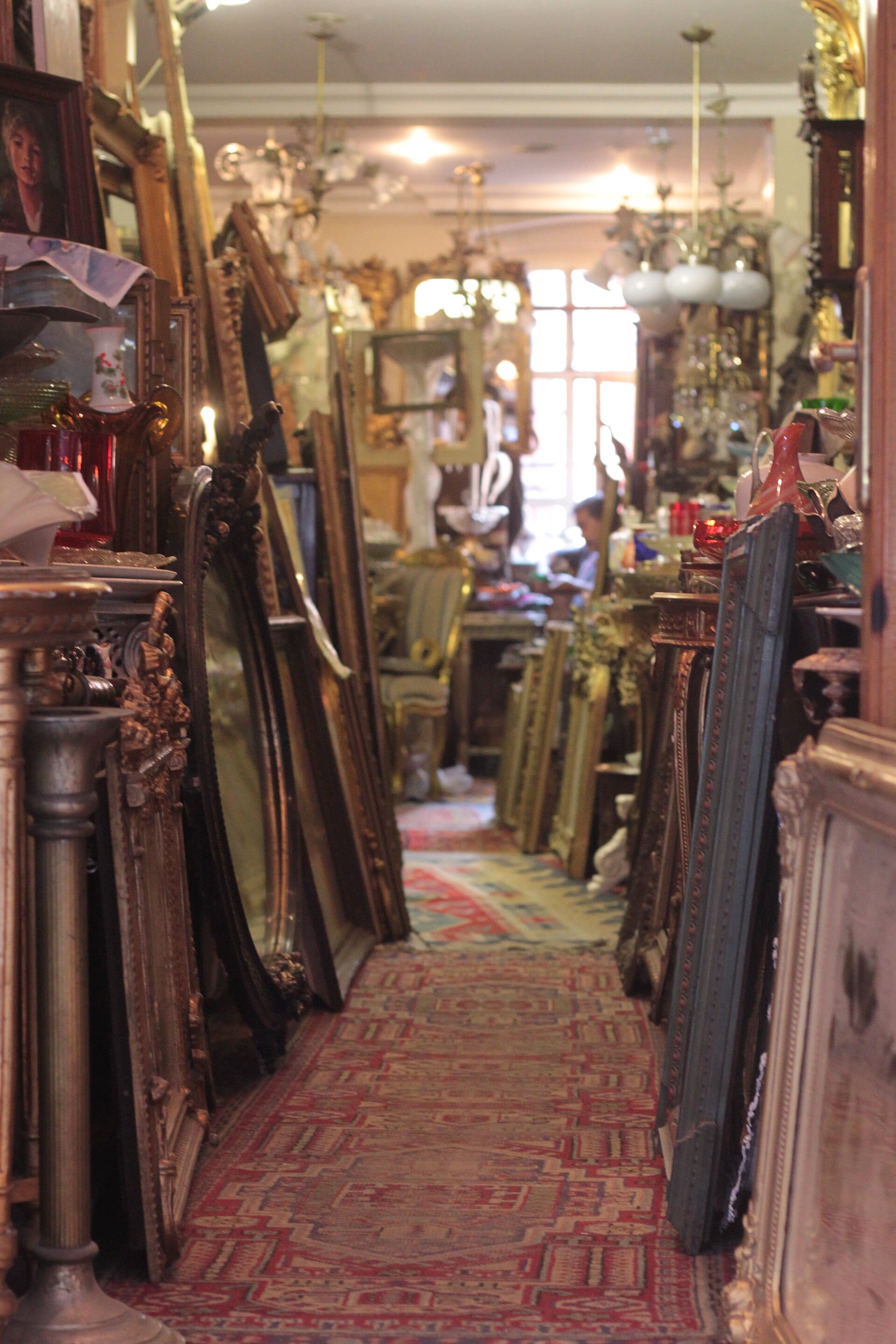
Orhan Pamuk's Museum of Innocence, built around the objects of his novel of the same name, is in a red townhouse in the same streets and is worth an hour of anyone's time.
Keep reading
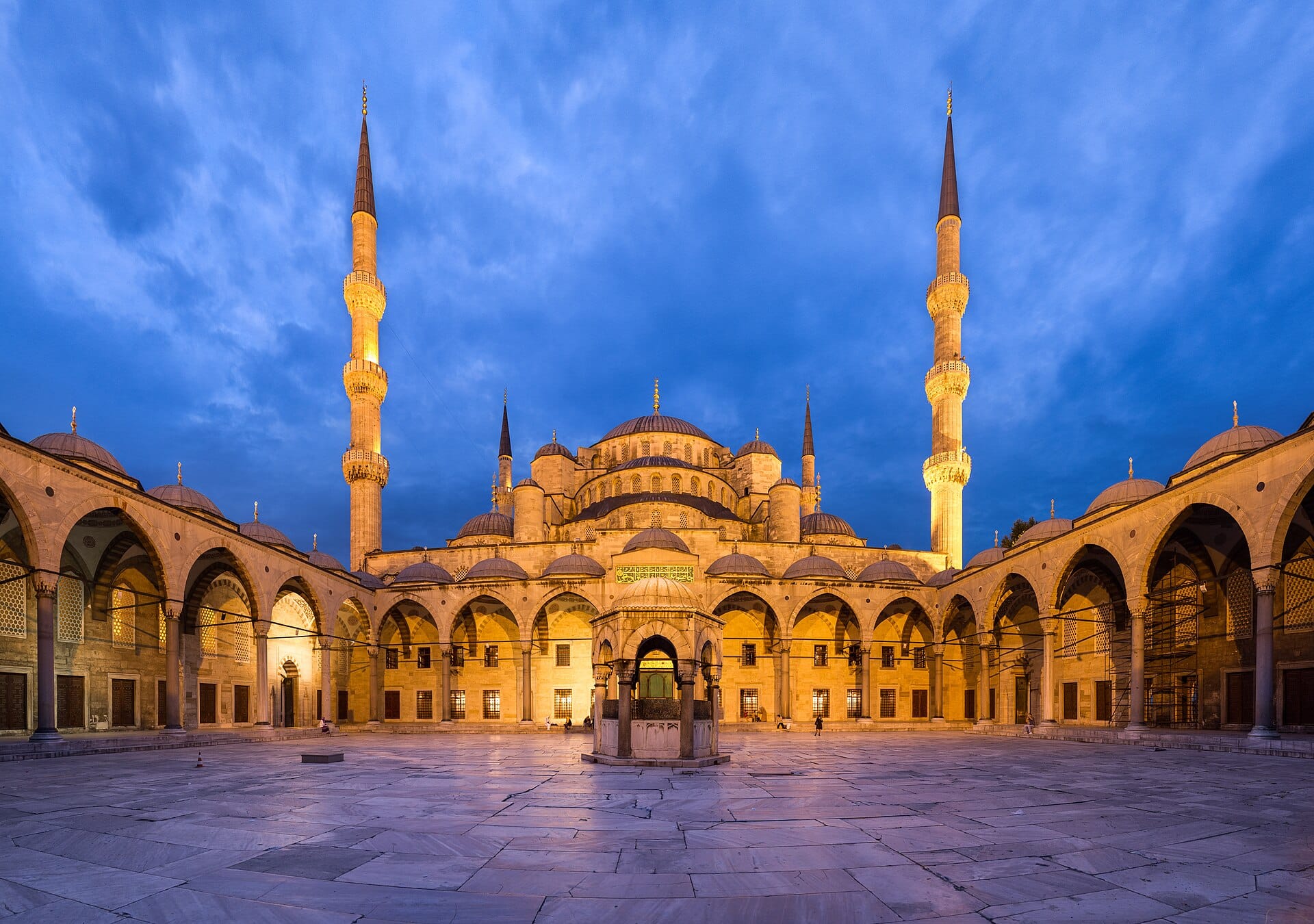
Neighbourhoods
Istanbul, beyond the expected
Discover the architectural details, neighbourhood rituals, waterfront escapes and contemporary culture that give Istanbul its distinctive character.
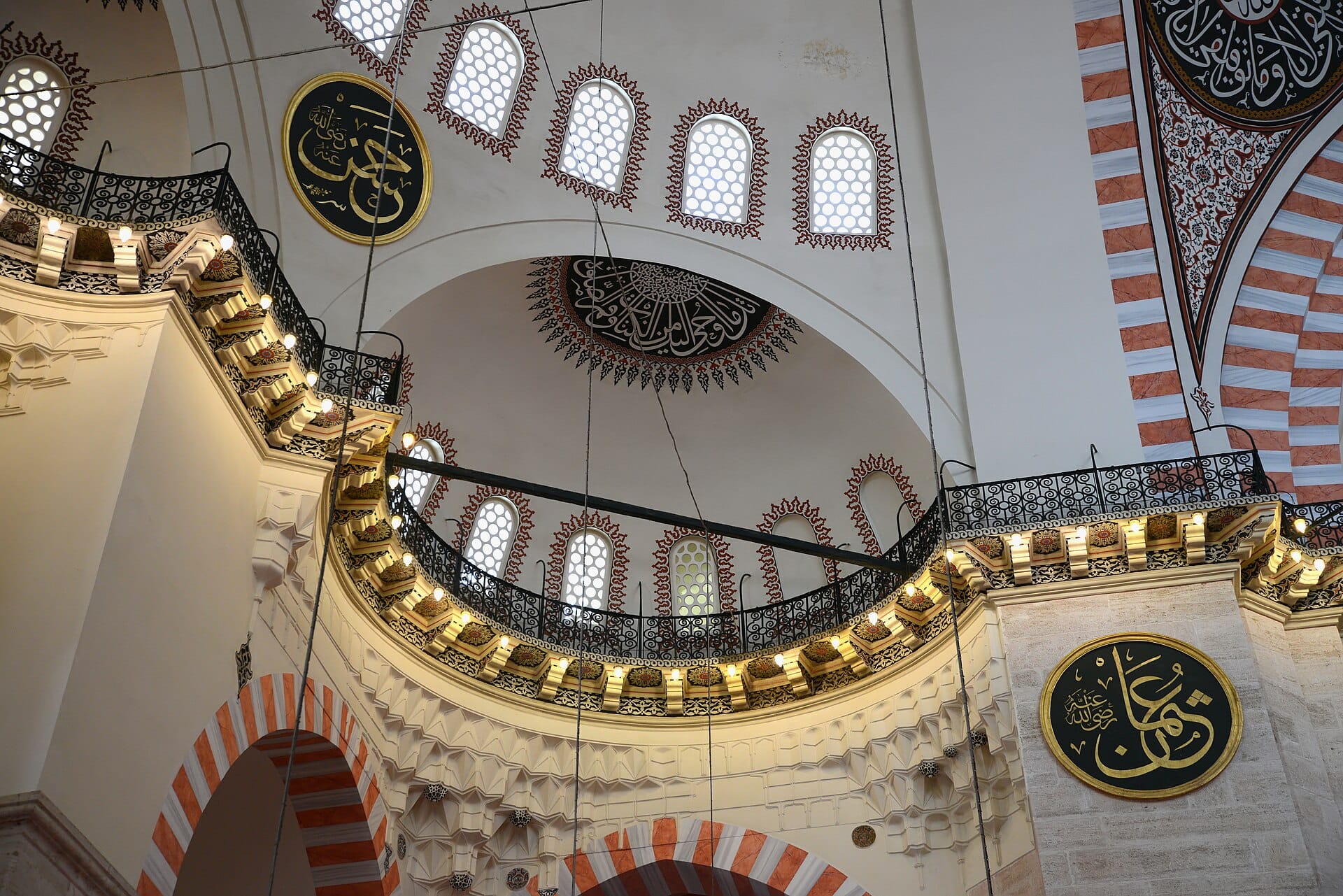
Architecture
Discovering Istanbul through architecture
Fifteen centuries in a few square miles: a walk through the buildings that explain Istanbul, from Justinian's dome to Renzo Piano's museum.
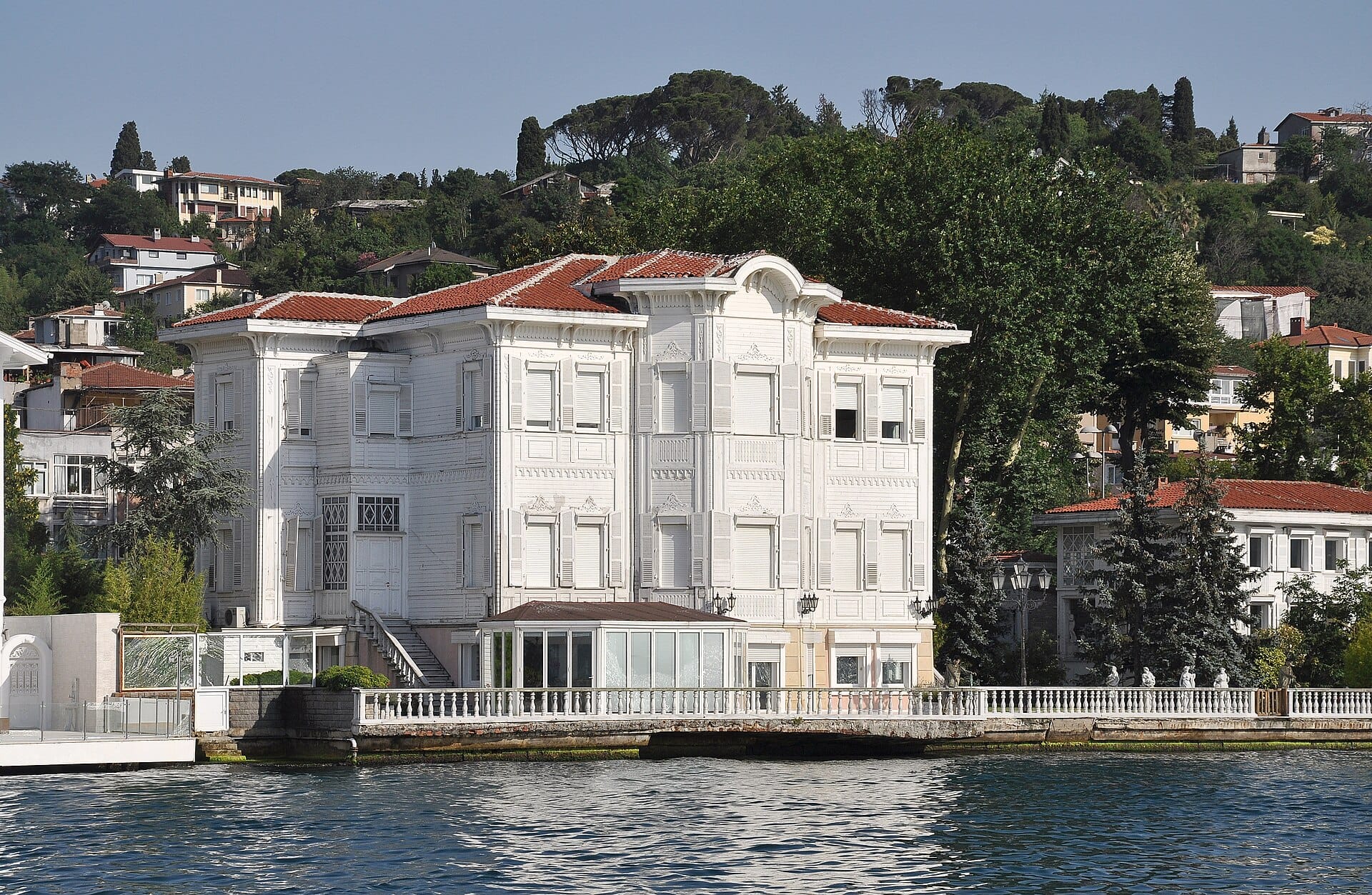
Stays
Where to stay in Istanbul: a curated neighbourhood guide
The neighbourhood you choose shapes your Istanbul more than the hotel does. Here is how the main districts compare, and who each one suits.