Discovering Istanbul through architecture
Fifteen centuries in a few square miles: a walk through the buildings that explain Istanbul, from Justinian's dome to Renzo Piano's museum.
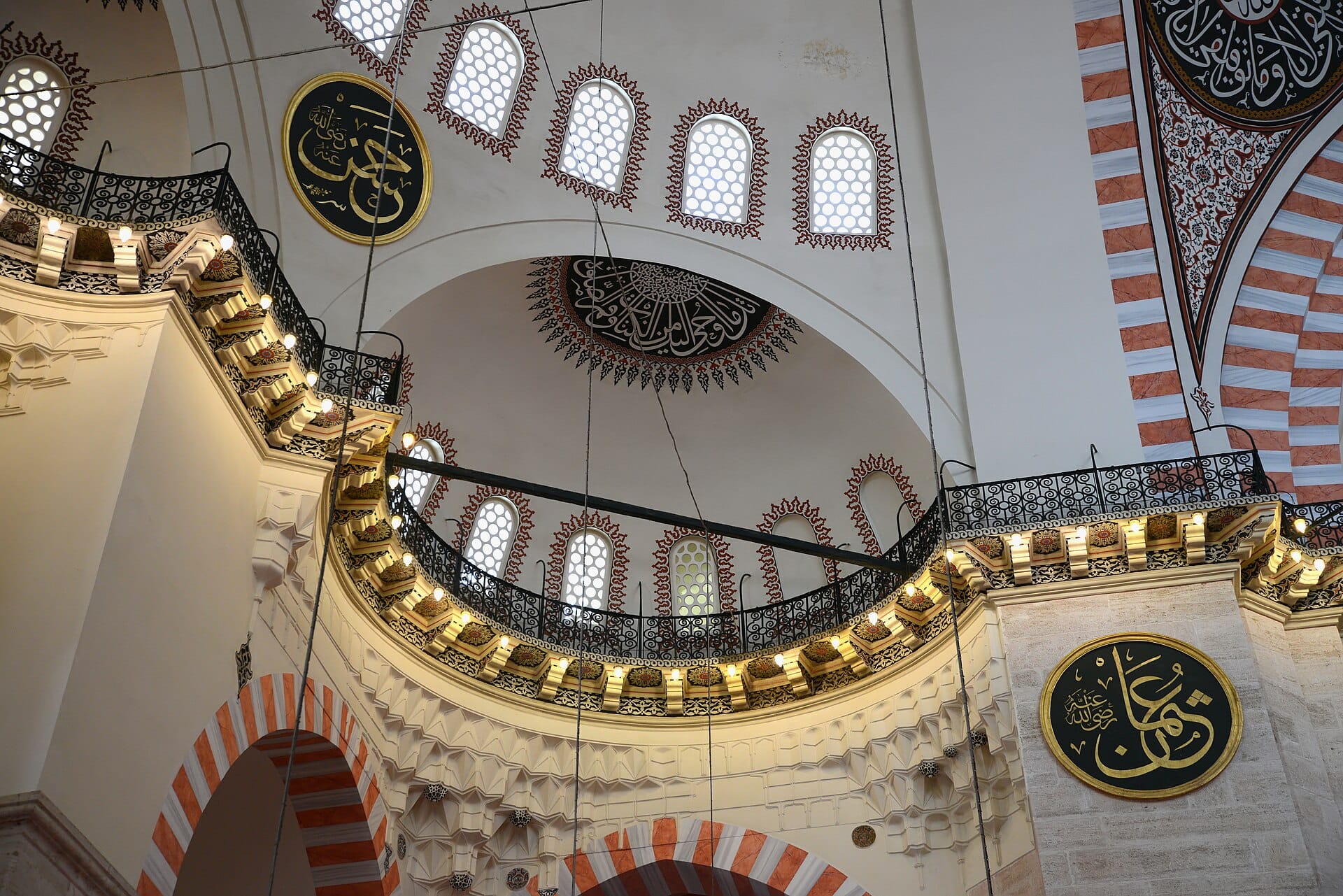
Few cities make their history so legible in stone. Istanbul was the capital of the Byzantine and then the Ottoman empires for more than fifteen centuries, and each period left buildings that are still in use.
This guide moves roughly through time. You can follow it as a two-day walk, or simply use it to know what you are looking at.
Byzantine foundations
Hagia Sophia, completed in 537 under the emperor Justinian, is the building against which every later dome in the city measured itself. Its architects, Anthemius of Tralles and Isidore of Miletus, created a vast interior that seems to float on a ring of light. It has been a cathedral, a mosque, a museum and, since 2020, a mosque again.
Underground, the Basilica Cistern shows Byzantine engineering at its most atmospheric: a forest of columns standing in shallow water, built to store the city's supply.
Sinan and the classical Ottoman mosque
Mimar Sinan, chief architect to Süleyman the Magnificent and his successors, shaped the Ottoman city more than anyone. His Süleymaniye Mosque, completed in 1557, crowns the third hill above the Golden Horn and is surrounded by its original complex of schools, a hospital, a soup kitchen and baths.
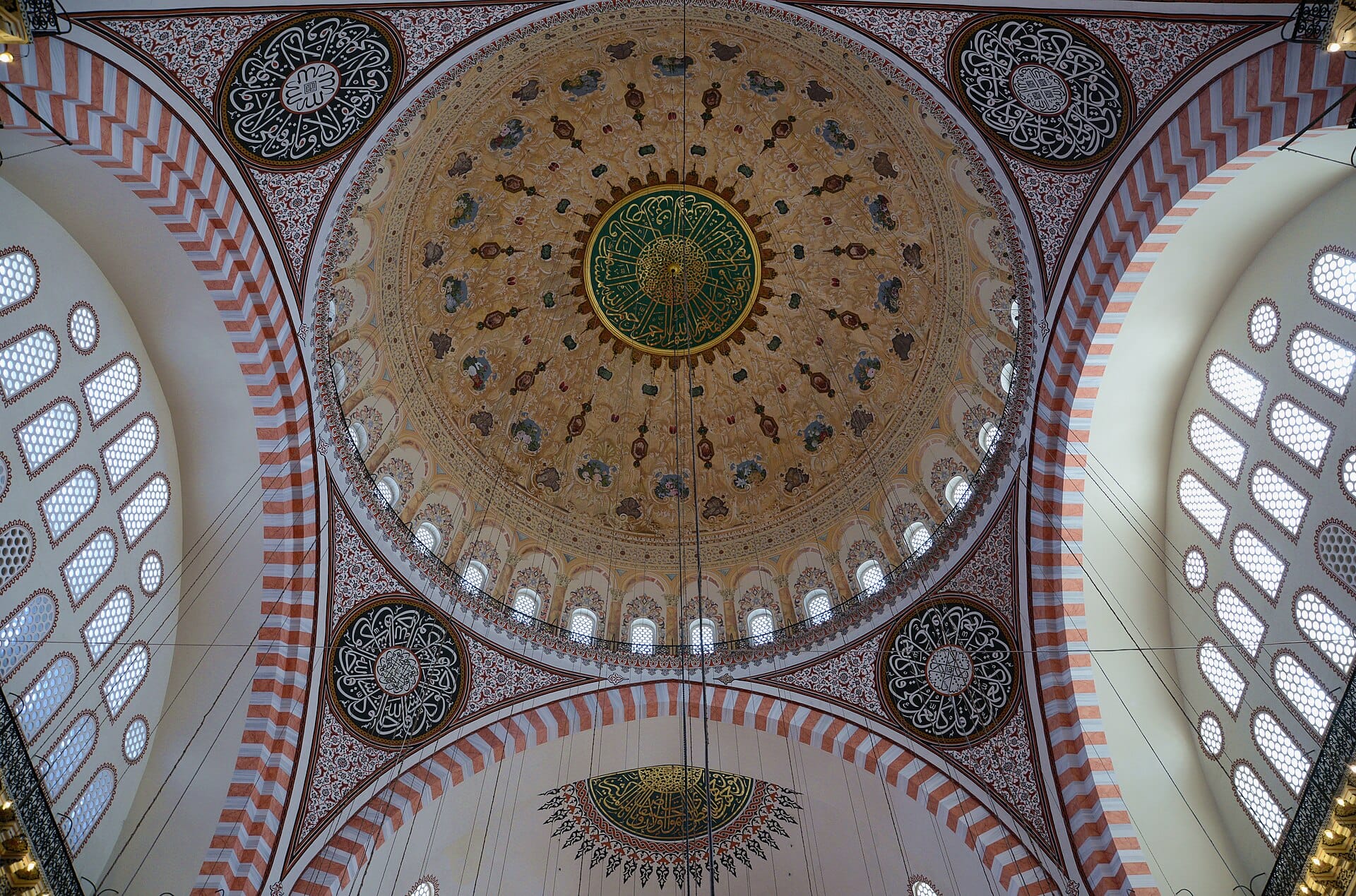
For colour, walk down to the small Rüstem Paşa Mosque near the Spice Bazaar, another Sinan design, lined with İznik tiles in blues, greens and a famous tomato red.
Genoese Galata
Across the Golden Horn, Galata Tower was built by the Genoese in the fourteenth century as part of the walls of their trading colony. It has served as a watchtower, a fire lookout and now a museum with a panoramic gallery.
The nineteenth century: palaces and stations
As the empire looked to Europe, its architecture followed. Dolmabahçe Palace, completed in the 1850s by the Balyan family of architects, brought a lavish European style to the Bosphorus shore. Nearby, the Ortaköy Mosque by the same family sits right on the water.
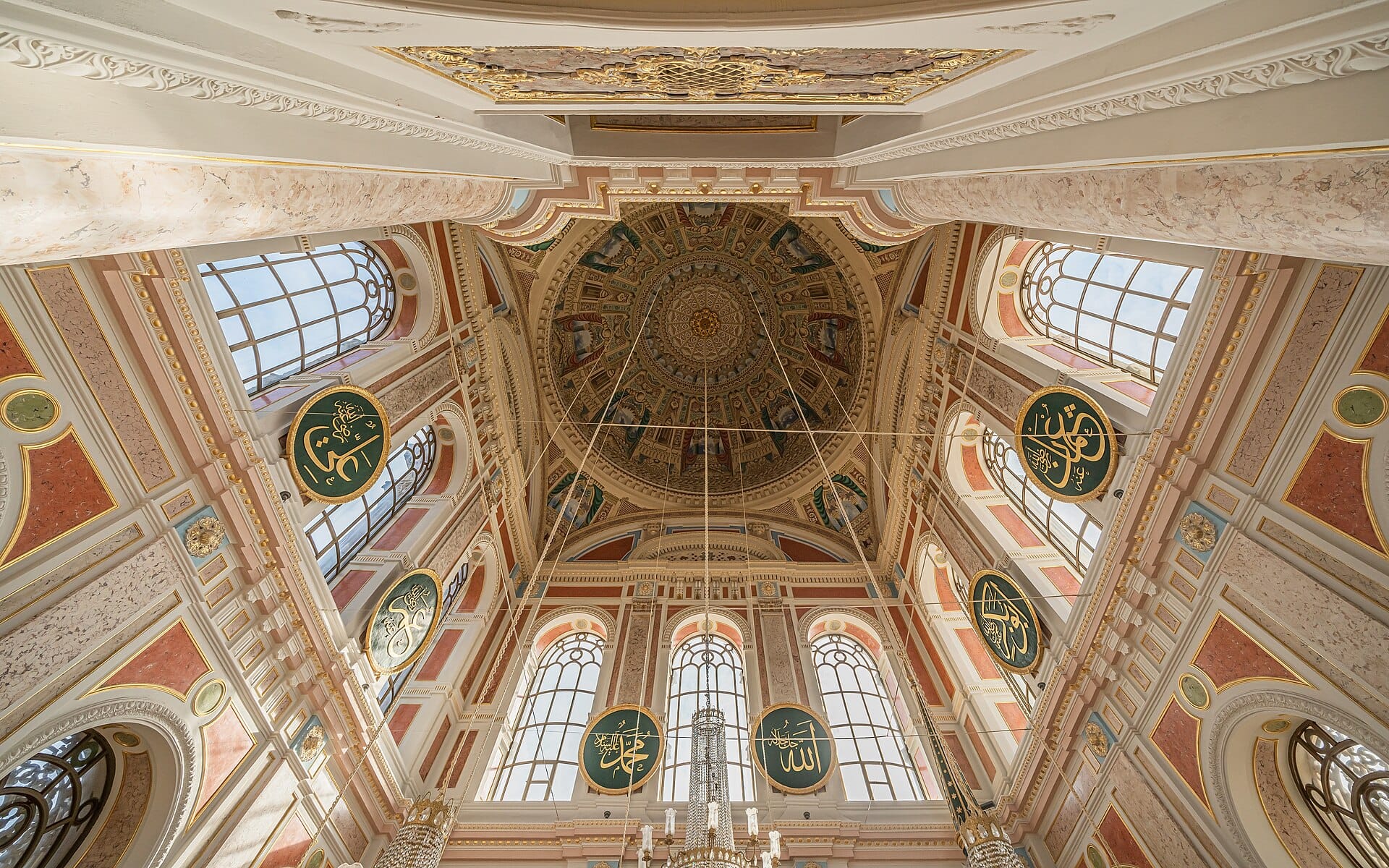
Sirkeci Station, the terminus of the Orient Express, mixes Ottoman and European motifs, while the apartment blocks of Pera show Art Nouveau influence, notably in the work of the Italian architect Raimondo D'Aronco.
The contemporary city
Modern Istanbul is adding its own chapter. The rebuilt Atatürk Cultural Center on Taksim Square reopened as a major performing-arts venue, and Istanbul Modern now has a waterfront building in Karaköy designed by Renzo Piano. Our Karaköy guide continues from here.
Keep reading
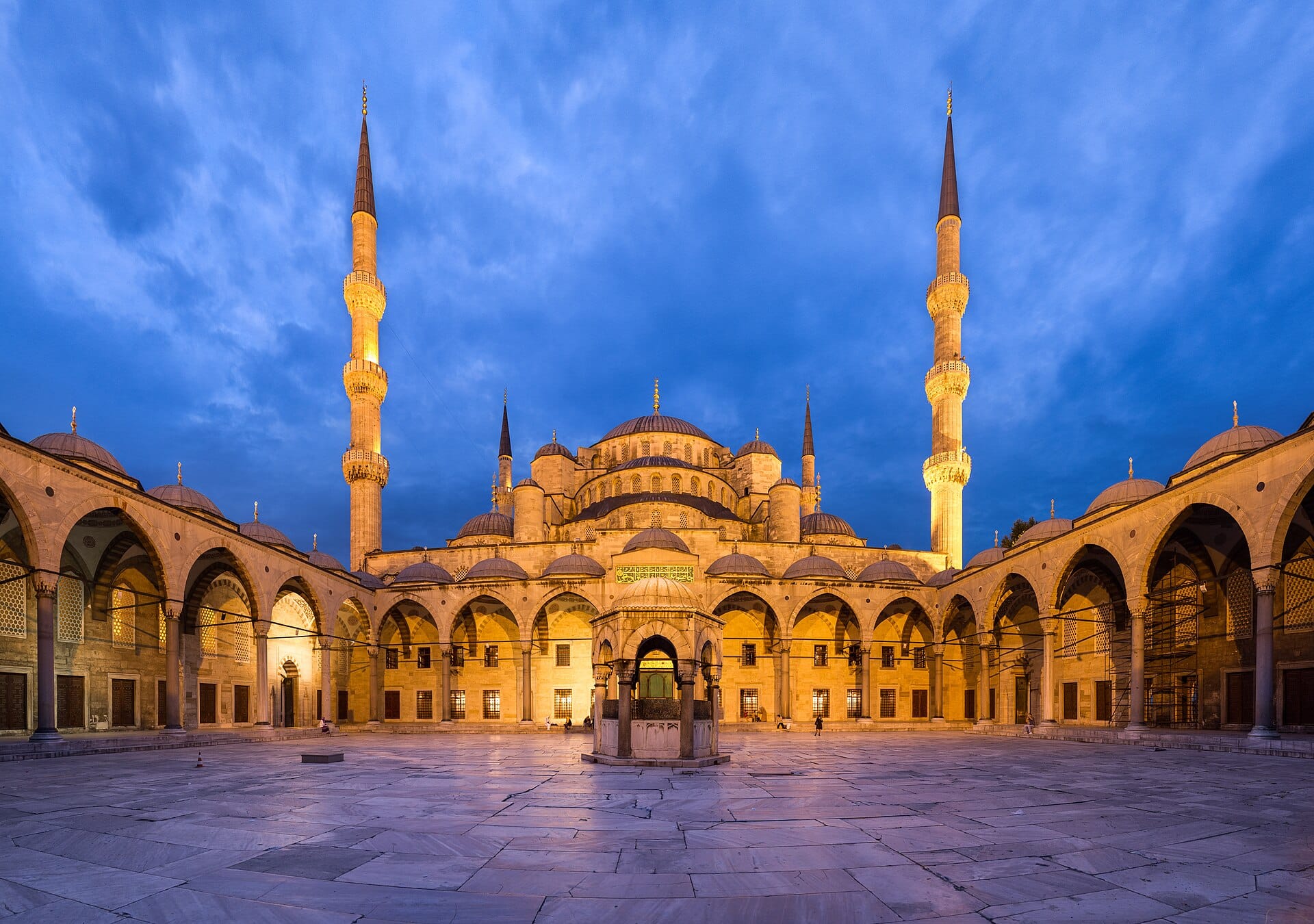
Neighbourhoods
Istanbul, beyond the expected
Discover the architectural details, neighbourhood rituals, waterfront escapes and contemporary culture that give Istanbul its distinctive character.
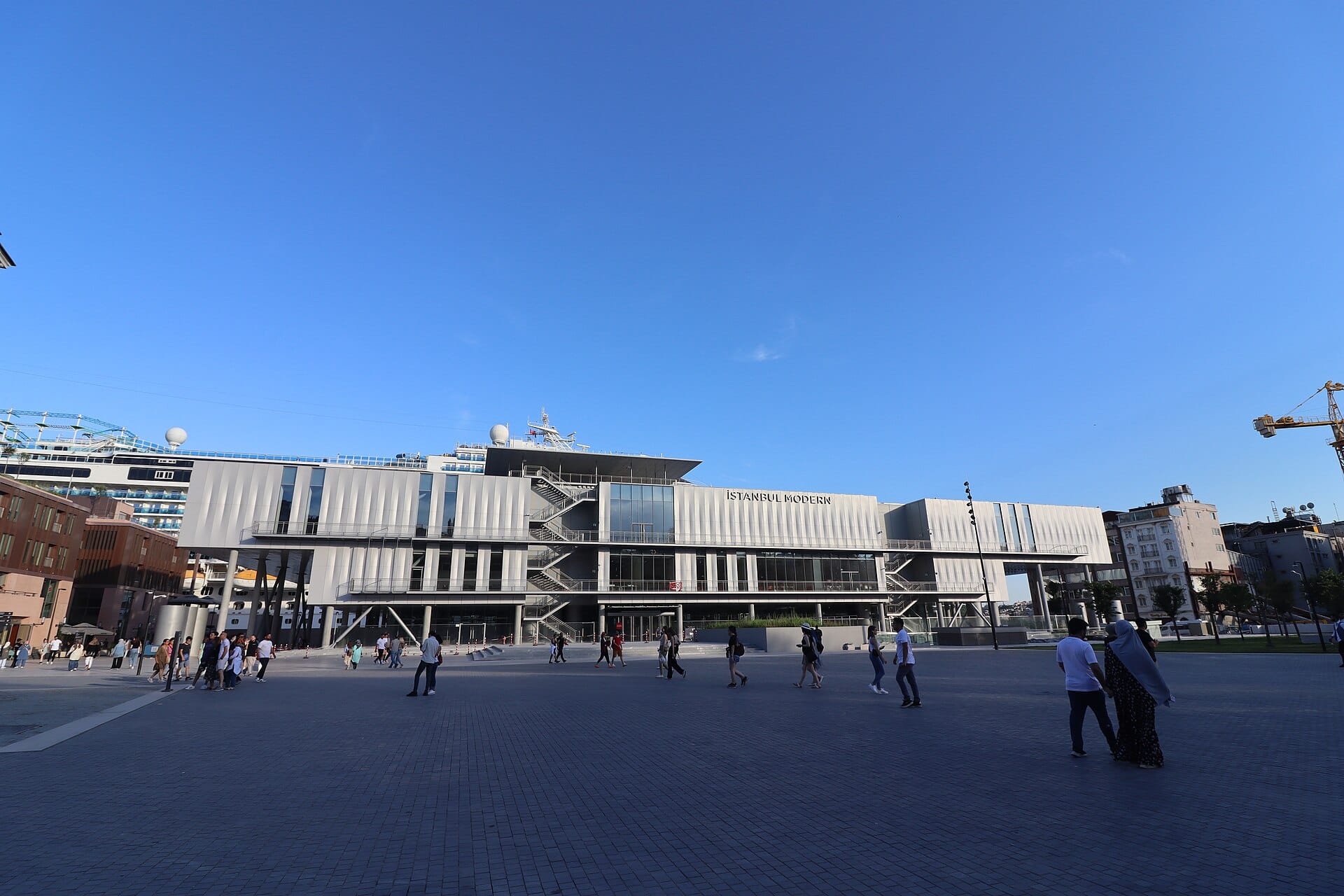
Neighbourhoods
A design lover's guide to Karaköy
Banking-era facades, a curving stairway, a modern museum on the water: how Istanbul's old port district became its most design-minded quarter.
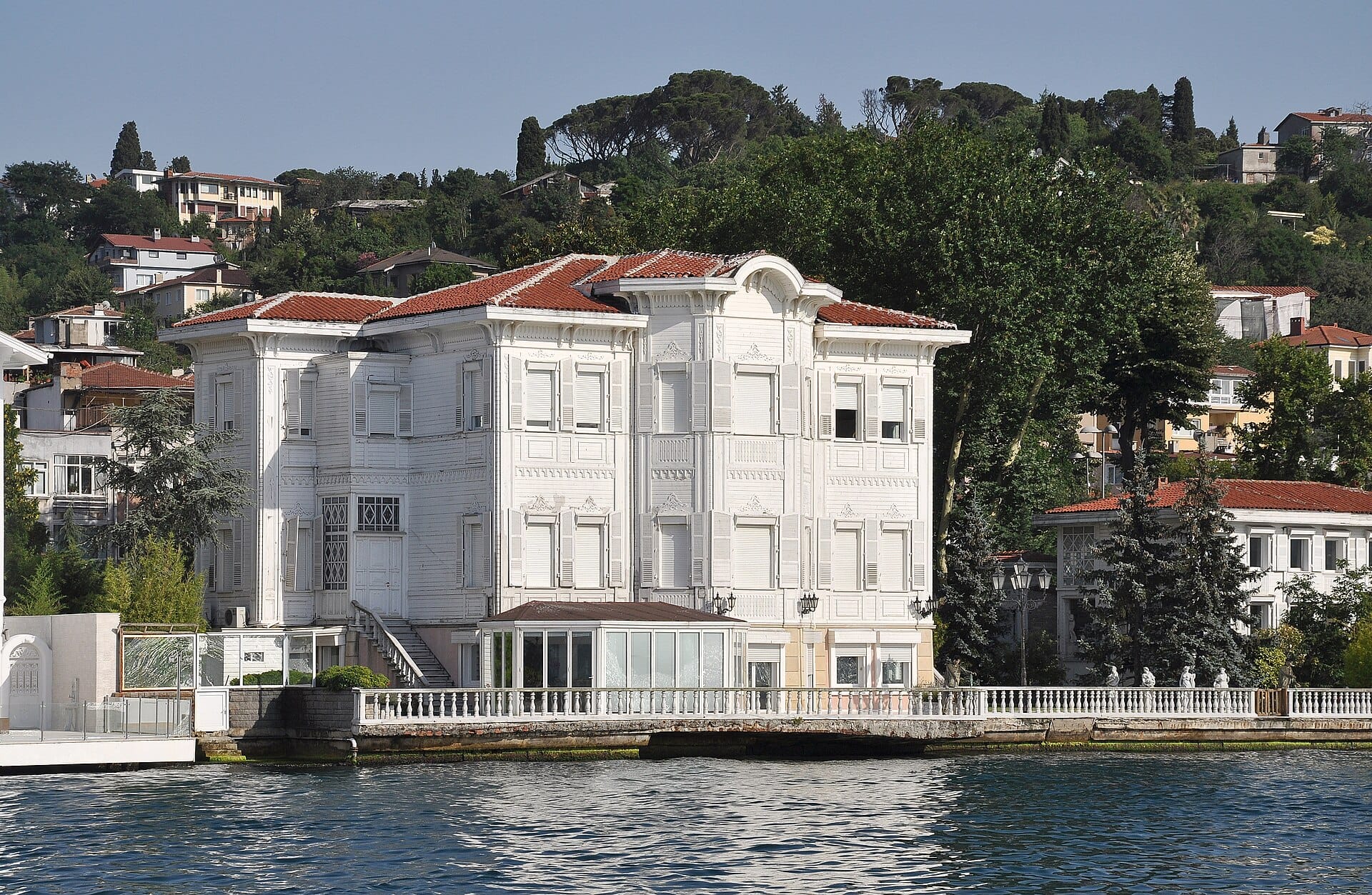
Stays
Where to stay in Istanbul: a curated neighbourhood guide
The neighbourhood you choose shapes your Istanbul more than the hotel does. Here is how the main districts compare, and who each one suits.