Istanbul, beyond the expected
Discover the architectural details, neighbourhood rituals, waterfront escapes and contemporary culture that give Istanbul its distinctive character.
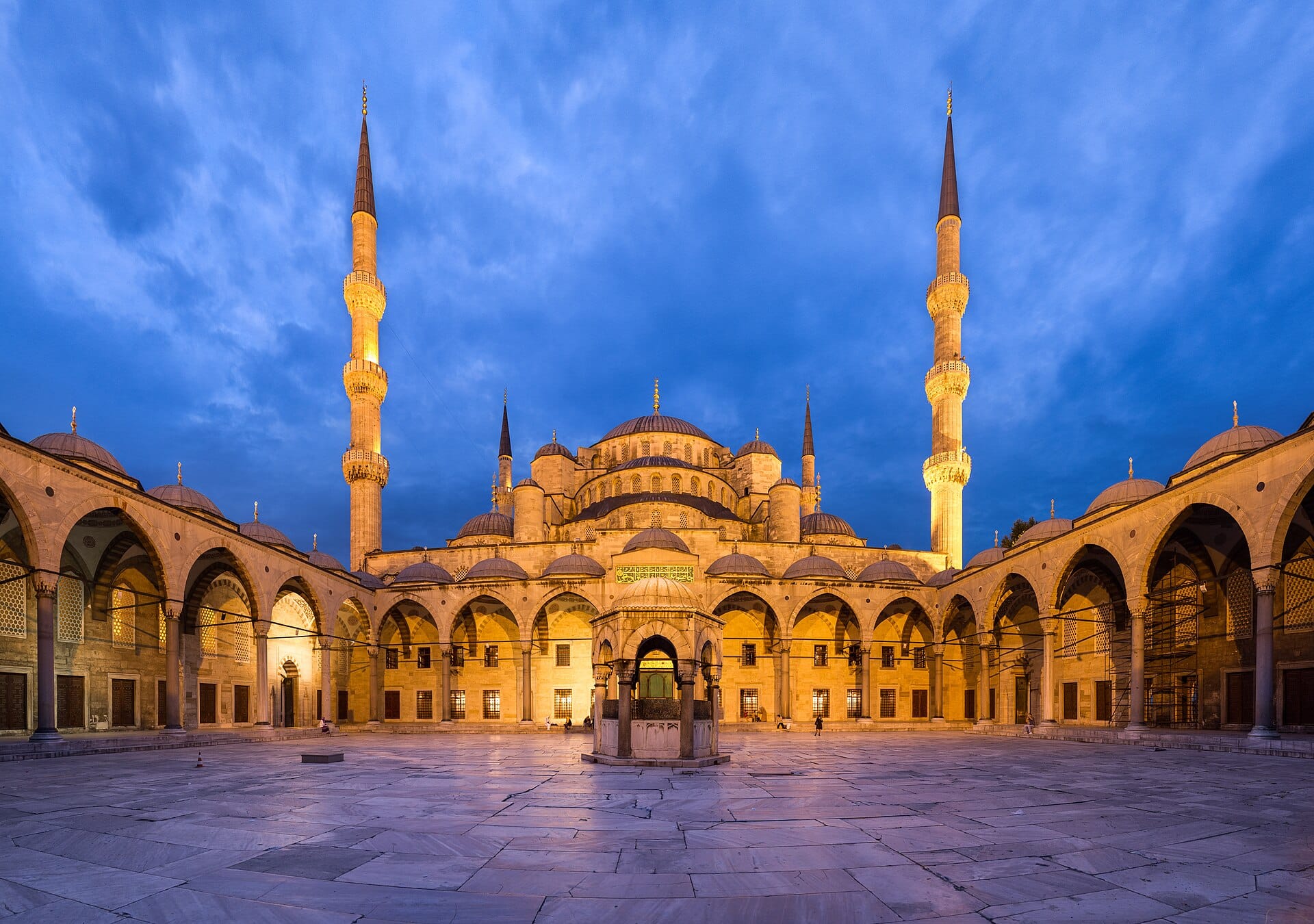
Most people arrive in Istanbul with a list: Hagia Sophia, the Blue Mosque, the Grand Bazaar, a Bosphorus cruise. All of them deserve their reputation. But the city that stays with you is usually found in between, in a carved doorway, a crowded ferry, or a tea glass refilled without asking.
This is a guide to that Istanbul. Not a replacement for the great monuments, but a way of seeing the city around them.
Look closer at the architecture
Istanbul's skyline is famous for its domes and minarets, yet much of its architectural pleasure is at street level. In Karaköy and Galata, nineteenth-century banks and apartment blocks carry stone garlands, wrought-iron balconies and doorways built to impress clients of a vanished financial district.
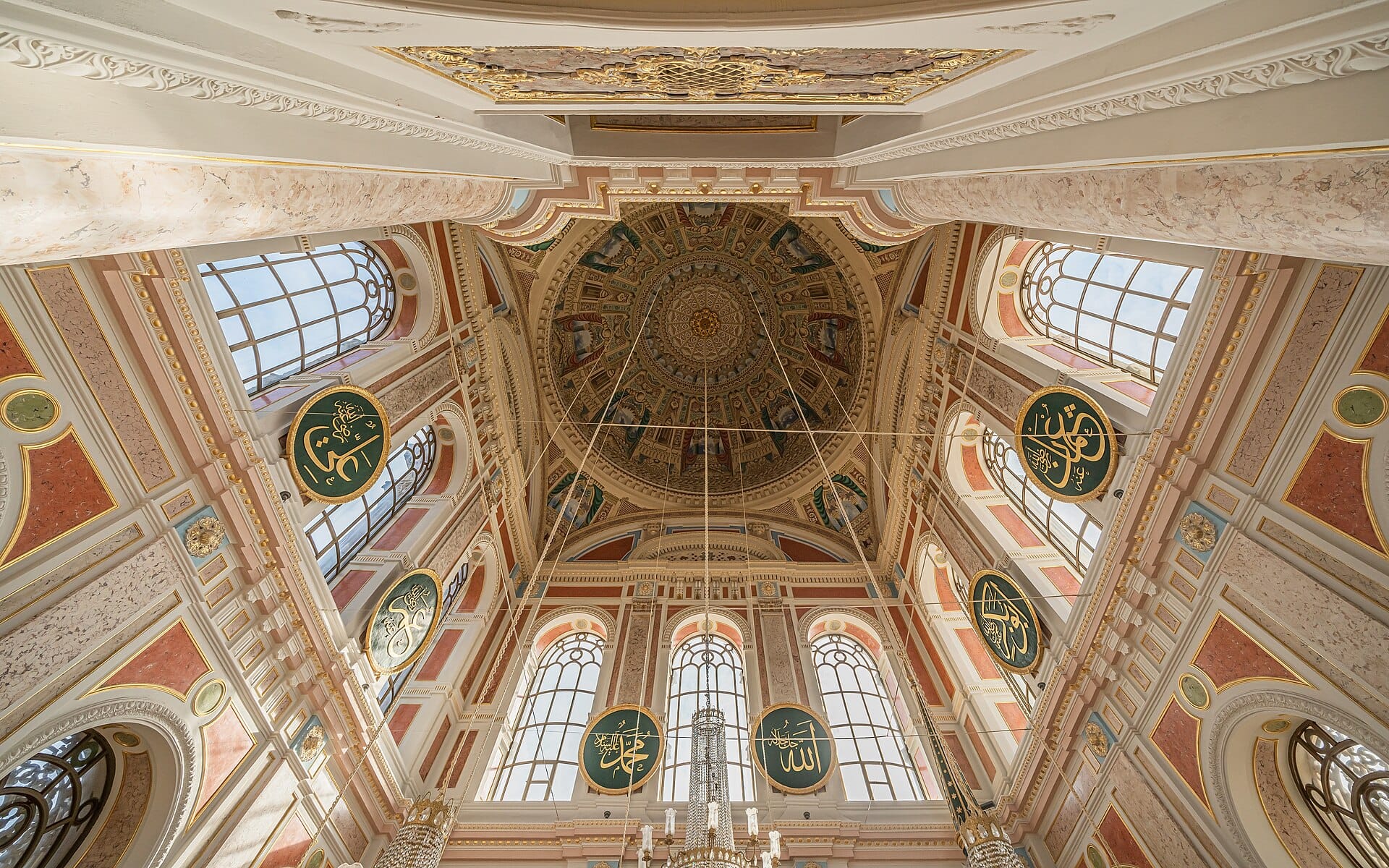
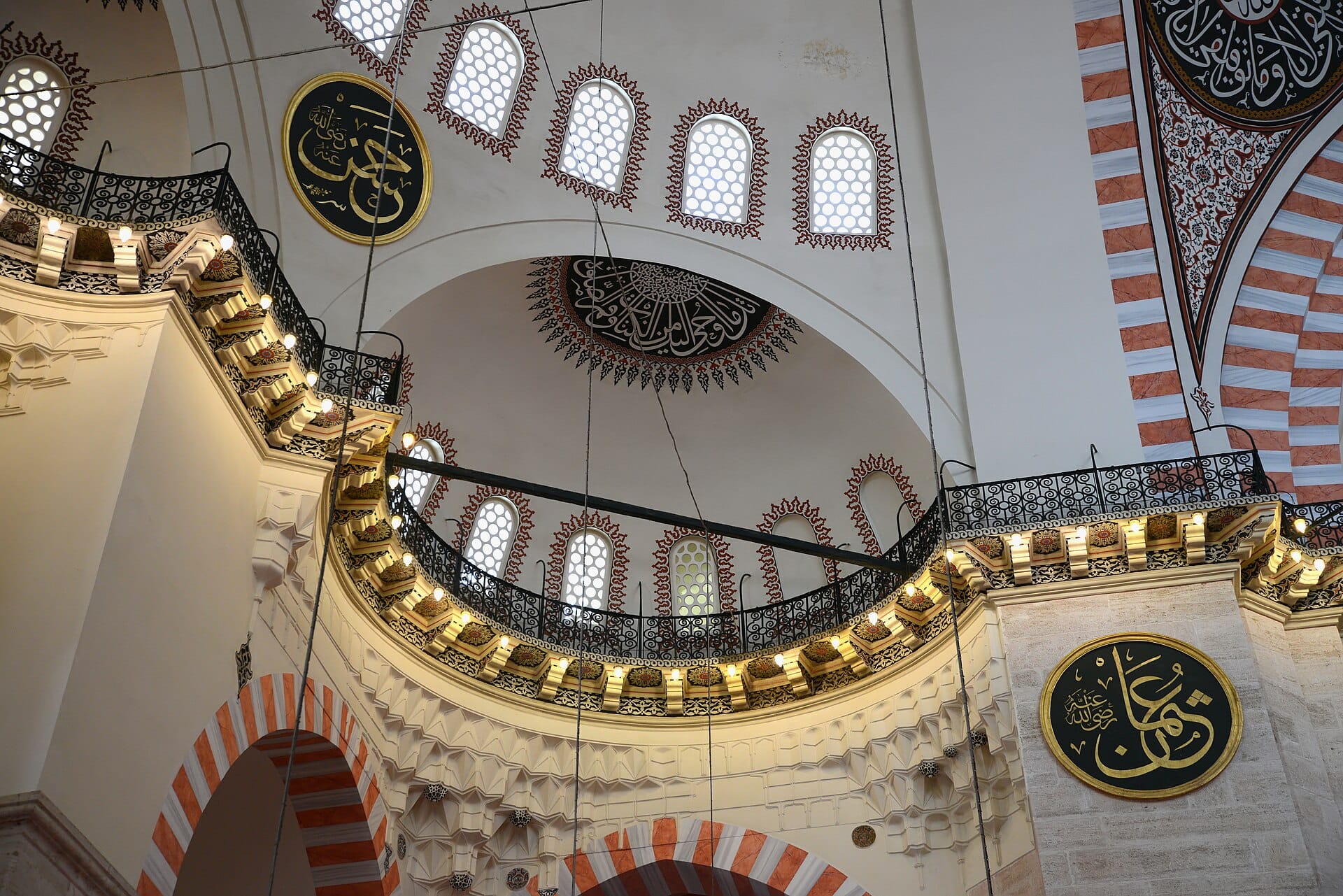
Inside the mosques, look up. The great domes of the classical Ottoman period were engineered to feel weightless, ringed with windows so light seems to hold them in place. The Süleymaniye, designed by the architect Mimar Sinan, is the clearest lesson in how calm a vast space can feel. Our architecture guide follows that thread through the city.
Join the neighbourhood rituals
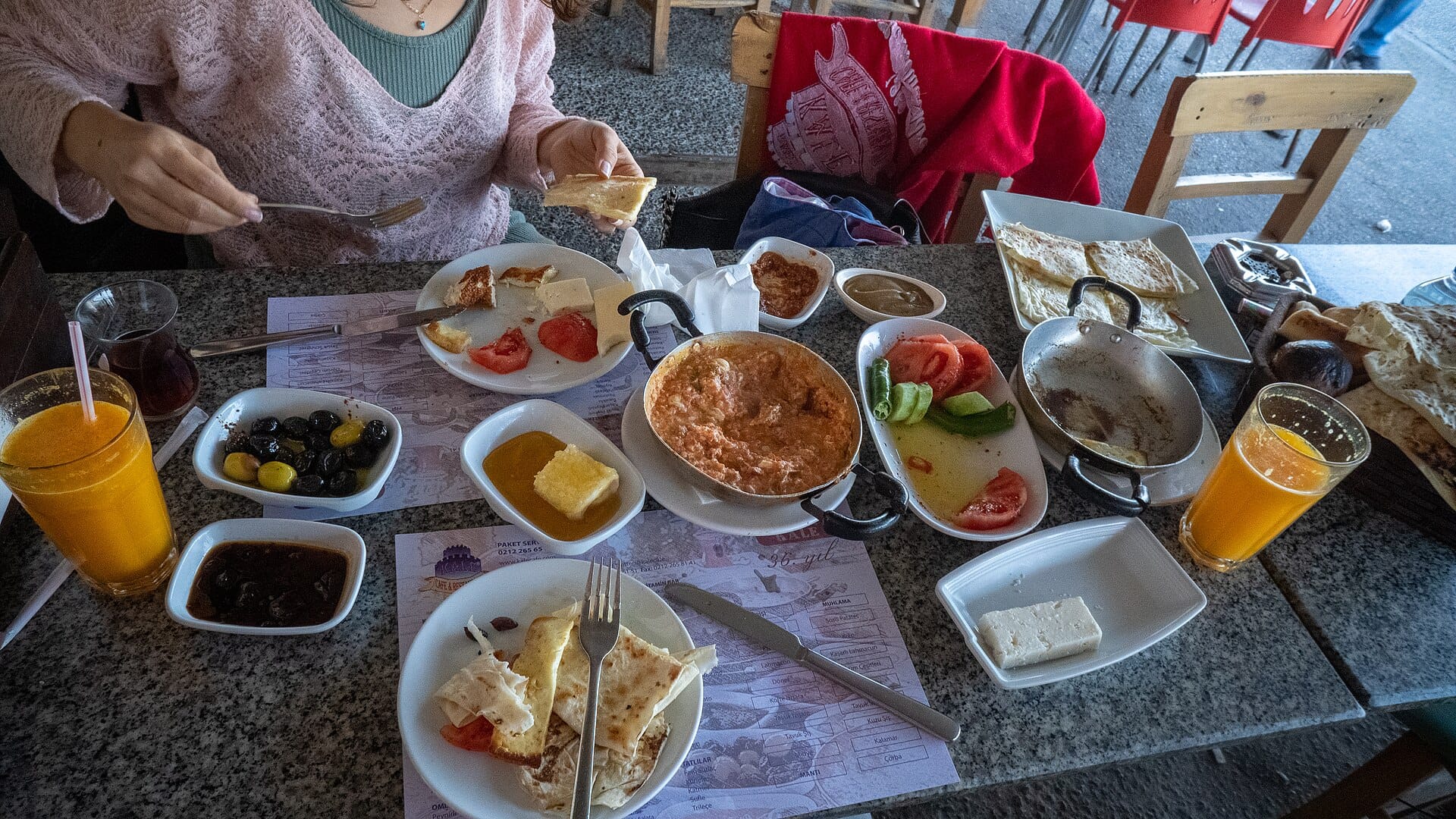
Istanbul runs on small, repeated habits. Tea arrives in tulip-shaped glasses throughout the day. Simit sellers set up before the morning commute. On weekends, families settle in for breakfasts that last until early afternoon.
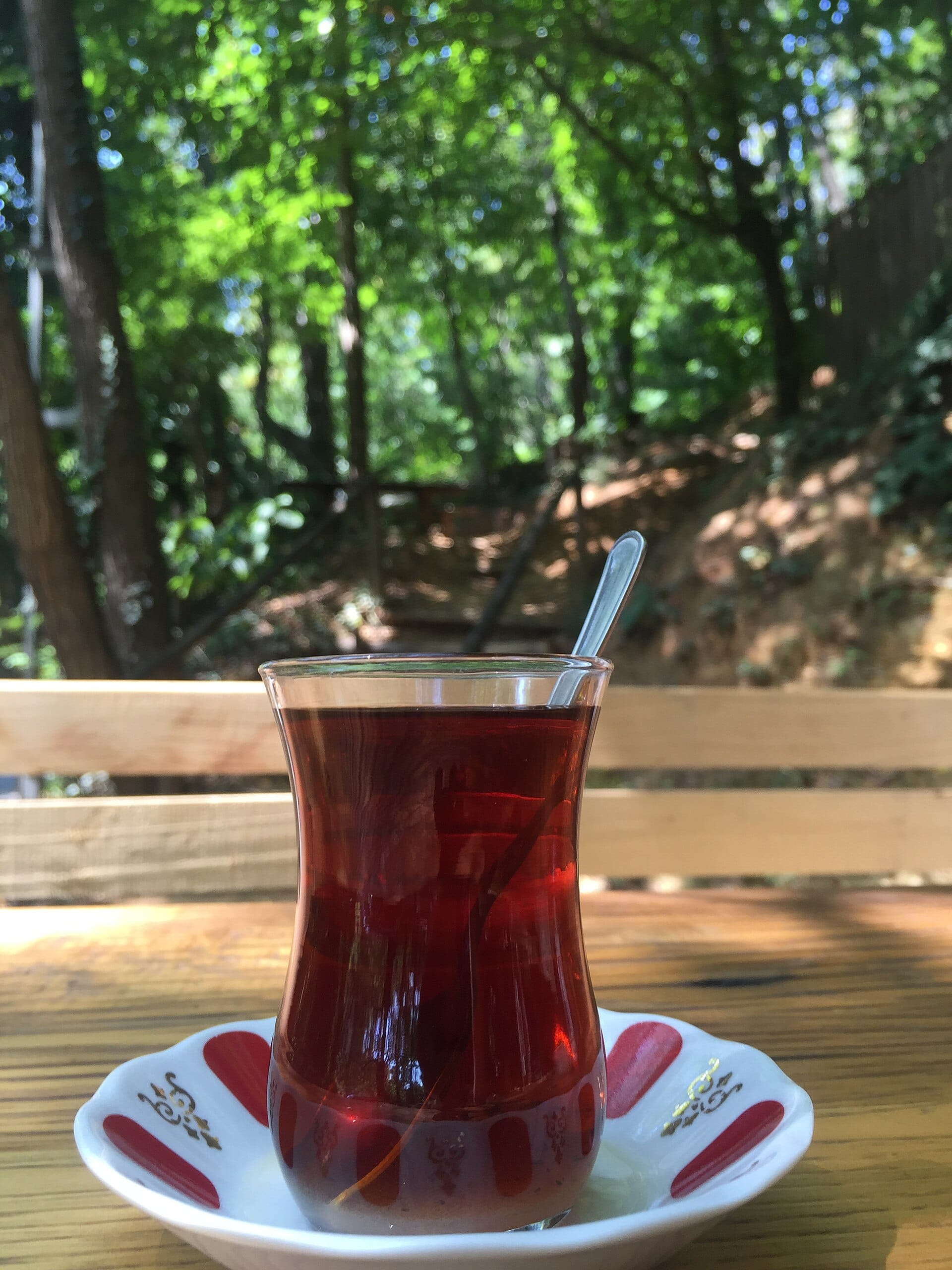
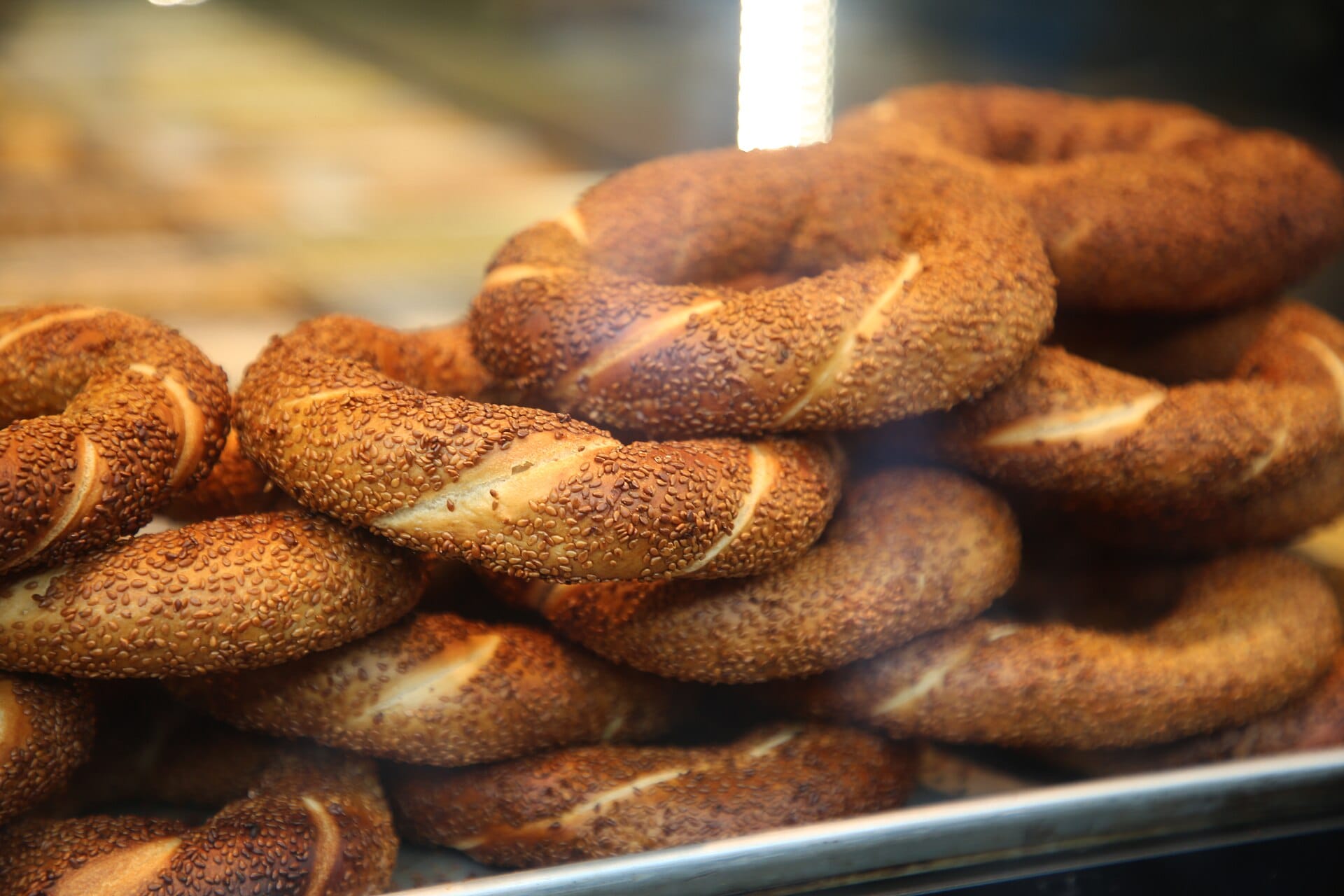
These rituals are the easiest way into the city's rhythm. Take the time for a long Turkish breakfast, sit in a tea garden rather than a café chain, and buy your simit from a street cart.
Escape to the water
Whatever the itinerary, make room for a ferry. The public boats that cross between Europe and Asia are commuter transport, which is exactly why they are so good: cheap, frequent, and full of people going about their day while the skyline turns around them.
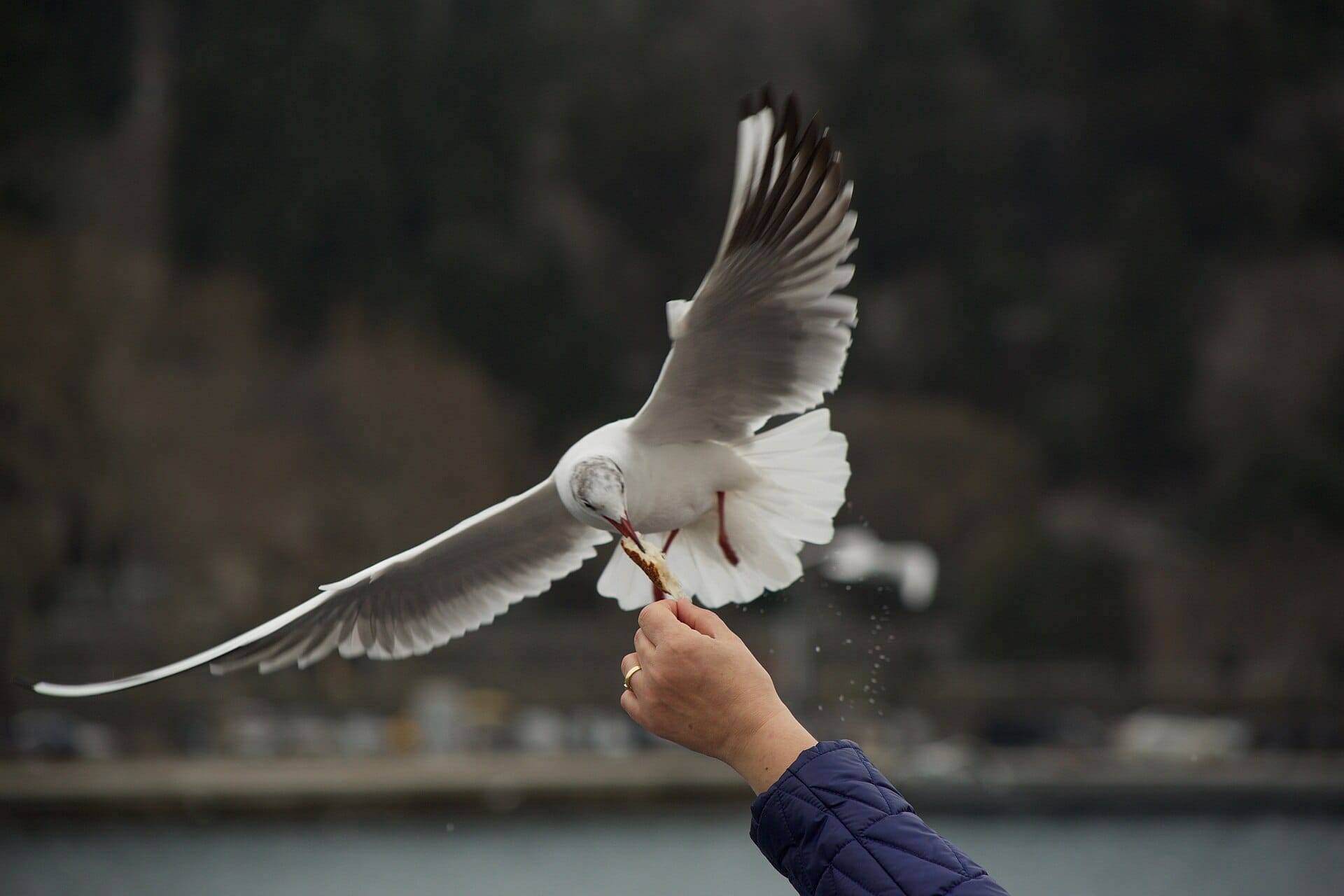
For a longer escape, the scheduled Bosphorus line travels north towards the Black Sea, passing timber yalı mansions and stopping at villages where lunch means grilled fish by the water. Closer to the centre, the walk along the Moda shoreline on the Asian side is one of the city's best evening strolls.
Find the contemporary city
Istanbul is not a museum piece. The city has a serious contemporary art scene, anchored by institutions such as Istanbul Modern, which moved into a new waterfront building in Karaköy designed by Renzo Piano, and the research and exhibition spaces of Salt.
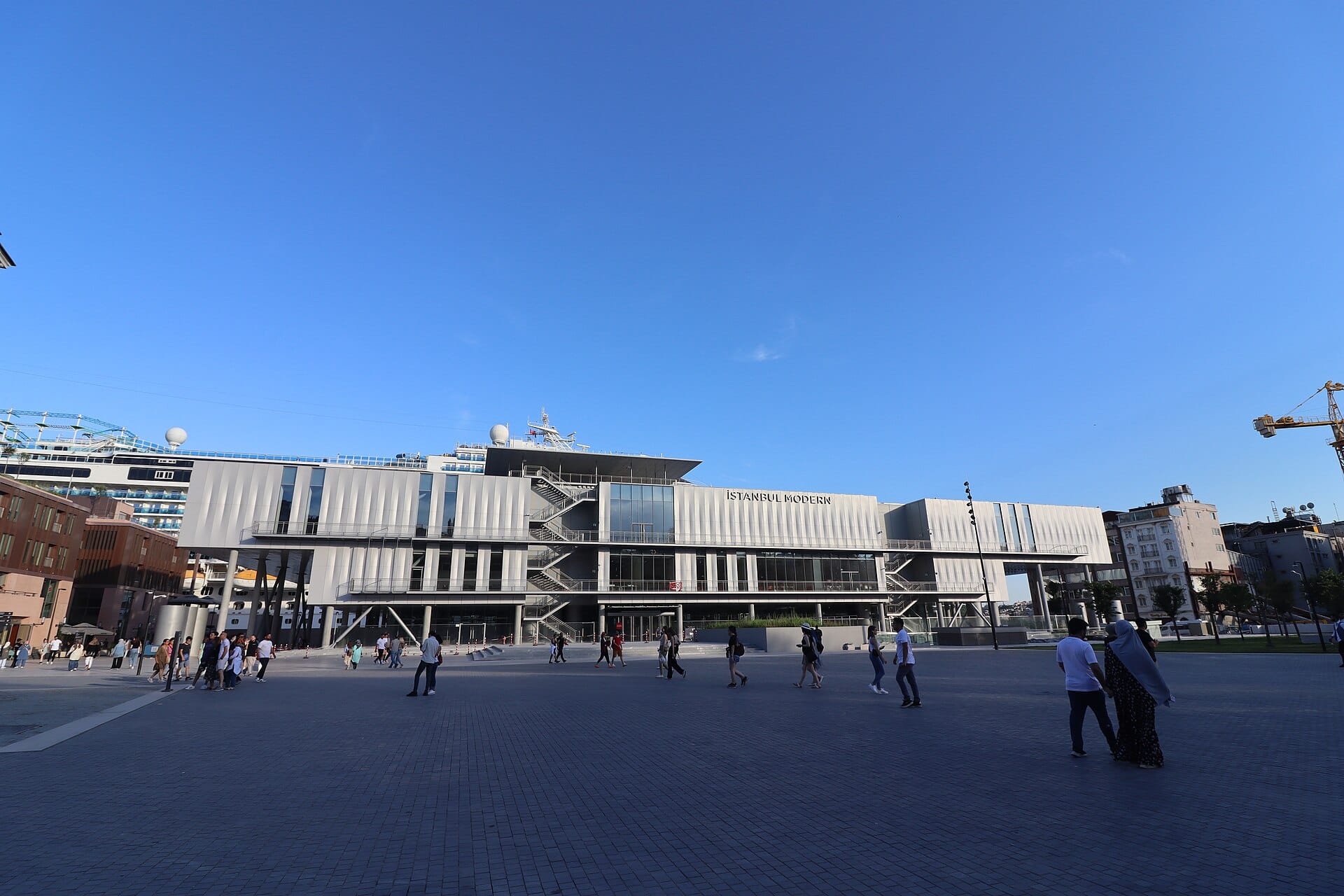
Time a visit to coincide with the Istanbul Biennial or one of the city's design events, and you will find galleries open late across Karaköy, Beyoğlu and beyond. Our Karaköy guide is a good place to start.
Keep reading
Neighbourhoods
A design lover's guide to Karaköy
Banking-era facades, a curving stairway, a modern museum on the water: how Istanbul's old port district became its most design-minded quarter.
Architecture
Discovering Istanbul through architecture
Fifteen centuries in a few square miles: a walk through the buildings that explain Istanbul, from Justinian's dome to Renzo Piano's museum.
Food & drink
The art of Turkish breakfast
Kahvaltı is less a meal than an occasion: a table of small plates, endless tea and no particular hurry. Here is what to expect, and how to enjoy it.